A Parent's Guide to Baby Teething: Symptoms, Timeline, and Relief
Watching your baby go through teething can be an anxious time for any parent. The drooling, fussiness, and sleepless nights can leave you wondering what is normal and when you should worry. This guide walks you through the common signs of teething, the general timeline for primary teeth, and safe ways to comfort your little one at home.
Common Signs of Teething
Every baby experiences teething a bit differently, but there are some patterns that most parents in Gurugram notice at home.
- Increased drooling, sometimes enough to cause a mild rash around the mouth and chin
- Swollen or tender gums, which may look slightly red
- Constant chewing or gnawing on fingers, toys, or anything within reach
- Irritability or fussiness, especially in the evenings
- Mild disruption in sleep patterns
- Slight loss of appetite or reluctance to feed due to sore gums
- A small, low grade rise in temperature (not a true fever)
It is important to know that teething does not cause diarrhoea, high fever, rashes on the body, or vomiting. If your baby shows these symptoms, it is more likely an unrelated illness, and a paediatrician should be consulted.
Primary Teeth Eruption Timeline
Primary teeth, also called milk teeth, usually begin appearing around 6 months of age, though the exact timing varies from baby to baby. By the time your child turns 3, they typically have a full set of 20 primary teeth.
| Tooth | Typical Eruption Age |
|---|---|
| Lower central incisors | 6 to 10 months |
| Upper central incisors | 8 to 12 months |
| Upper lateral incisors | 9 to 13 months |
| Lower lateral incisors | 10 to 16 months |
| First molars | 13 to 19 months |
| Canines | 16 to 23 months |
| Second molars | 23 to 33 months |
This timeline is a general guide. Some babies get their first tooth early, while others take longer. As long as growth is steady, small variations are usually nothing to be concerned about.
What Happens Beneath the Gums
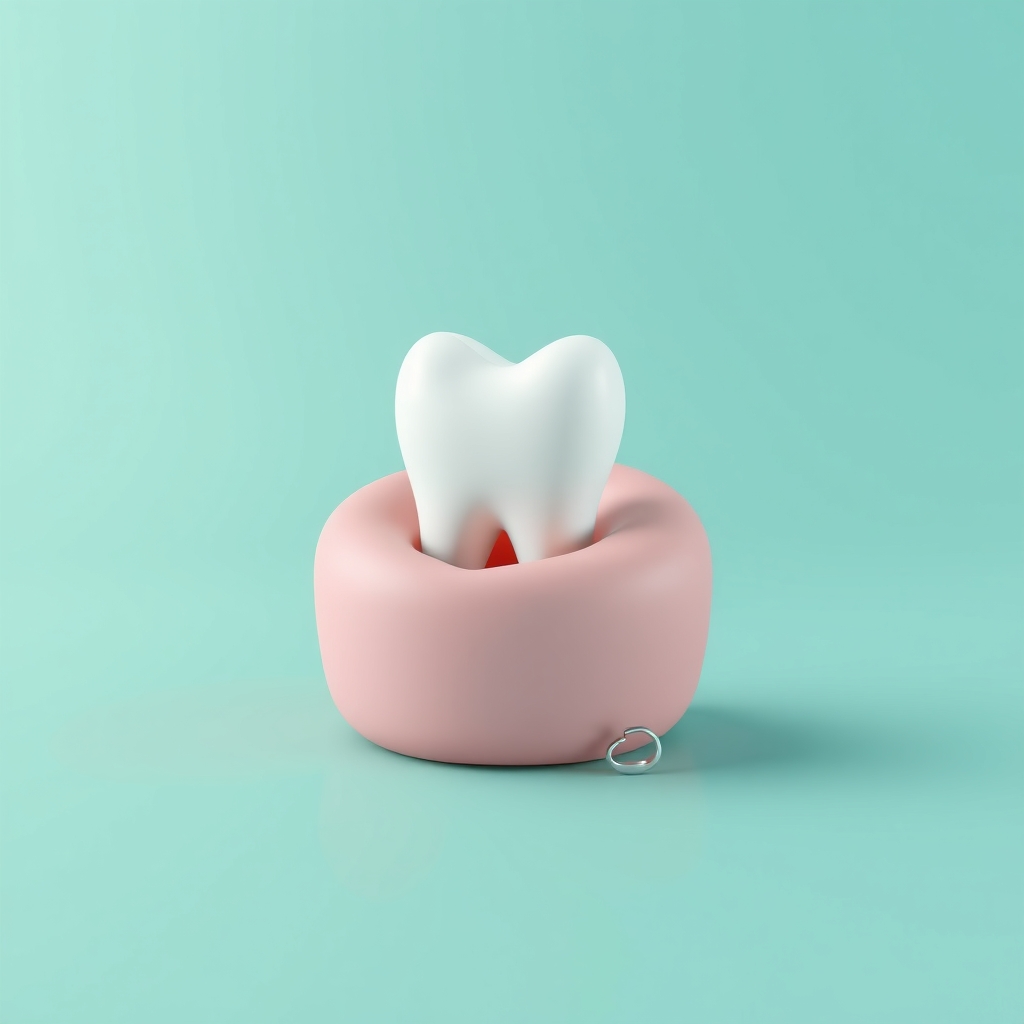
Even before a tooth is visible, it is moving through the jawbone and gum tissue. This movement is what causes the swelling, tenderness, and discomfort your baby feels in the days or weeks before a tooth actually breaks through.
Safe Home Remedies for Teething Discomfort
There are several gentle, low risk ways to help ease your baby's teething discomfort at home.
- Chilled teething rings: A clean, BPA free teething ring cooled in the refrigerator (not frozen solid) can numb sore gums and give your baby something safe to chew on.
- Gentle gum massage: Use a clean finger to gently rub your baby's gums. The light pressure can help relieve pressure building under the gum line.
- Cold, damp washcloth: Let your baby chew on a clean, damp cloth that has been chilled in the fridge for a short while.
- Extra cuddles and comfort: Sometimes babies simply need more holding and reassurance during this uncomfortable phase.
- Wiping drool frequently: Keeping the chin and mouth area dry can prevent rashes caused by constant drooling.
- Age appropriate pain relief: If your baby seems very uncomfortable, ask your paediatrician about an appropriate dose of infant paracetamol. Never give medication without professional guidance.
What to Avoid
Skip teething gels containing benzocaine, amber necklaces, and hard frozen objects, as these carry safety risks for infants. Always supervise your baby while they are using any teething object.
Caring for the First Teeth
Once the first tooth appears, it is time to start gentle oral care. Wipe the tooth with a clean, damp, soft cloth or a silicone finger brush after feeds. This simple habit sets the foundation for good oral hygiene as more teeth come in.
Many parents in Gurugram also find it reassuring to get their baby's first dental check-up around the time of the first birthday, or once several teeth have erupted. This helps confirm that development is on track and gives you a chance to ask any questions specific to your child.
When to See a Dentist or Paediatrician
While teething itself is a normal developmental process, certain signs call for professional attention:
- High fever above 100.4°F (38°C)
- Persistent refusal to feed or drink
- Signs of dehydration such as fewer wet diapers
- Unusual swelling, bleeding, or visible discoloration on the gums
- No teeth by 15 to 18 months of age
If you notice any of these, it is best to get your baby checked rather than wait it out at home.
Frequently asked questions
At what age do babies usually start teething?
Most babies get their first tooth between 6 and 10 months, though some start as early as 3 months or as late as 12 months. Every baby has their own timeline, and slight delays are usually nothing to worry about.
Can teething cause fever in babies?
Teething may cause a mild rise in temperature, but it should not cause a high fever above 100.4°F (38°C). If your baby has a real fever, it is likely due to an unrelated infection and should be checked by a doctor.
Are teething necklaces or gels safe for babies?
Amber teething necklaces are not recommended due to choking and strangulation risks. Teething gels with benzocaine are also discouraged for infants. Chilled teething rings and gentle gum massage are safer choices.
When should I take my baby to a dentist for teething concerns?
If your baby has persistent high fever, refuses to feed for long periods, has unusual swelling, or if the first tooth has not appeared by 15 to 18 months, it is worth getting a check-up at a dental or pediatric clinic in Gurugram.
Treatment costs mentioned on this page are indicative ranges for the Gurugram region. Your exact cost depends on your case and will be confirmed after a clinical examination at the clinic.