Baby Bottle Tooth Decay: Why It Happens and How to Prevent It
If you have noticed brown or white spots on your toddler's front teeth, you are not alone. Many parents in Gurugram bring their little ones to our clinic with the same worry: cavities appearing on baby teeth that seemed perfectly fine a few months ago. This condition is often called early childhood caries, and one of its most common causes is prolonged bottle feeding or breastfeeding at night.
What Is Early Childhood Caries
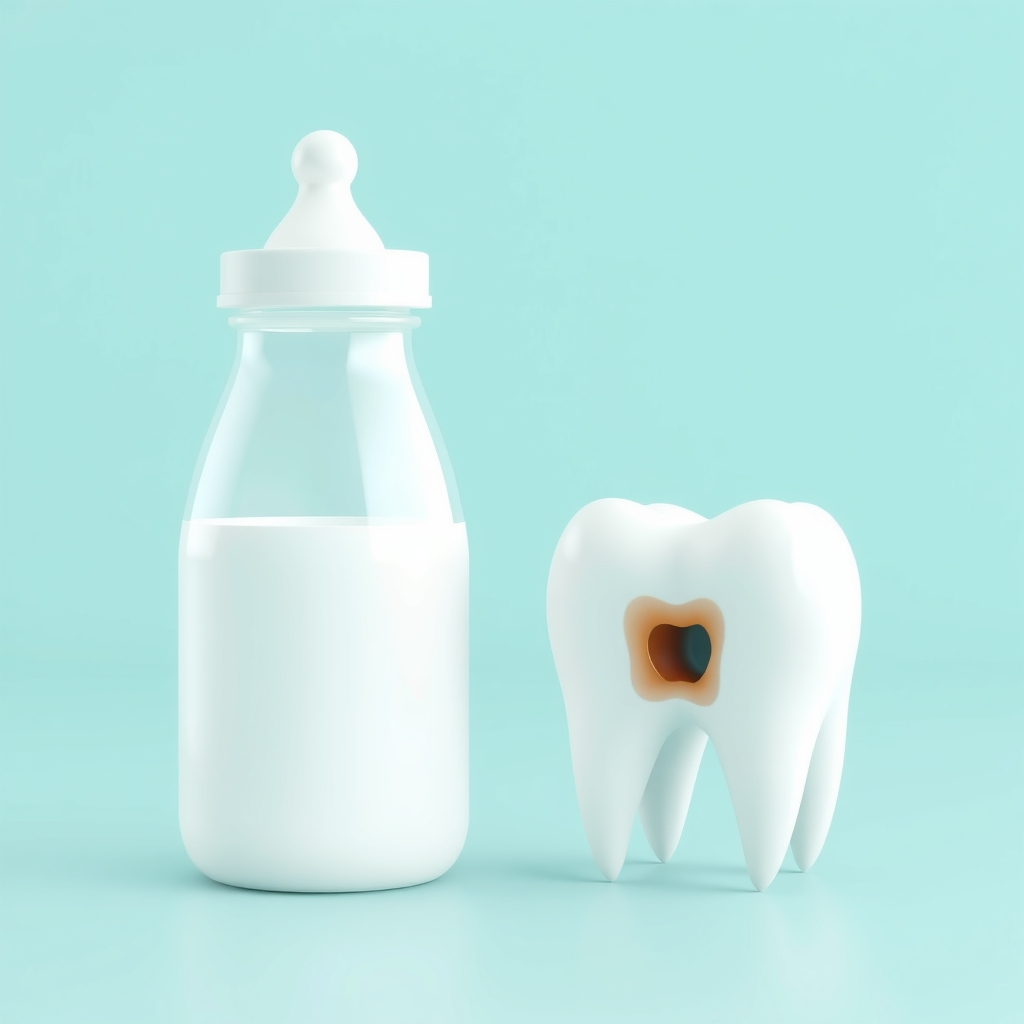
Early childhood caries, sometimes called baby bottle tooth decay, refers to cavities that develop in infants and toddlers, typically on the upper front teeth. It happens when teeth are exposed to sugary liquids, including milk, formula, or juice, for long periods without being cleaned afterward.
The upper front teeth are affected most because during bottle or breastfeeding, they are the last teeth the liquid touches and the tongue often covers the lower teeth, offering them some natural protection.
Why Nighttime Feeding Increases the Risk
During the day, saliva flow and swallowing help wash away sugars from the teeth. At night, saliva production naturally slows down. If a baby falls asleep with a bottle in their mouth, or nurses on and off through the night without any teeth cleaning, milk sugars can sit on the teeth for hours. Bacteria in the mouth feed on these sugars and produce acid, which slowly wears away the enamel and forms cavities.
Common Habits That Raise Risk
- Putting a baby to sleep with a bottle of milk, formula, or juice
- Allowing frequent, unrestricted night breastfeeding after teeth have erupted, without any cleaning
- Dipping pacifiers in honey or sugar
- Sharing spoons or cleaning pacifiers by mouth, which can transfer decay-causing bacteria from parent to child
- Delaying the first dental visit until a problem is already visible
Signs Parents Should Watch For
Early childhood caries can progress quickly because a baby's enamel is thinner than an adult's. Watch for these signs:
- White chalky spots near the gumline, often the earliest sign
- Brown or black spots on the front teeth
- Visible pits or holes in the teeth
- Your child avoiding certain foods or reacting to cold or sweet items
- Fussiness while eating or unexplained irritability
If you notice any of these, it is best to have your child seen sooner rather than later. Cavities in baby teeth can spread fast and may lead to pain or infection if ignored.
Prevention Tips for Parents in Gurugram
The good news is that early childhood caries is largely preventable with a few consistent habits.
Simple Steps That Help
- Avoid putting your baby to bed with a bottle of milk or juice. If they need comfort, a bottle of plain water is a safer choice.
- Start cleaning your baby's gums with a soft, damp cloth even before teeth erupt, and switch to a soft infant toothbrush once teeth appear.
- Once the first tooth erupts, begin brushing twice daily with a rice-grain sized smear of fluoride toothpaste, gradually increasing to a pea-sized amount after age three.
- Try to wean off night feeds gradually as your child grows, especially after the first birthday, in consultation with your pediatrician.
- Avoid sharing utensils or cleaning a pacifier with your own mouth.
- Schedule your child's first dental visit by their first birthday or within six months of the first tooth appearing, whichever comes first.
Treatment Options If Cavities Have Already Formed
If decay is caught early, treatment is usually simple and comfortable for the child. Our approach depends on how far the cavity has progressed.
| Stage of Decay | Typical Treatment |
|---|---|
| Early white spot lesions | Fluoride application and improved home care |
| Small to moderate cavities | Tooth-colored fillings |
| Extensive decay involving nerve | Pulp treatment followed by a crown |
| Severely damaged tooth | Extraction with a space maintainer, if needed |
The typical range for treating early childhood caries in Gurugram varies depending on the number of teeth affected and the treatment needed, so we always recommend a clinical examination before discussing costs. Please note this is only a general guide and not a fixed price.
Why Early Action Matters
Baby teeth play an important role in chewing, speech development, and guiding the permanent teeth into their correct position. Treating decay early, and preventing it where possible, helps your child eat comfortably, avoid pain, and start their permanent teeth off on a healthy foundation.
If you have noticed changes in your toddler's teeth or simply want a routine check, our team at Dr. Shrey Suri's clinic in Gurugram is happy to guide you through gentle, age-appropriate care for your little one.
Frequently asked questions
At what age can baby bottle tooth decay start?
It can begin as soon as the first teeth erupt, usually around 6 to 12 months, if teeth are frequently exposed to milk or sweet liquids without cleaning.
Is breastfeeding at night really harmful to teeth?
Breast milk itself is natural, but frequent night feeds without any oral cleaning can allow milk sugars to sit on teeth for hours, which raises the risk of decay, especially once teeth have erupted.
Can baby teeth with cavities be left untreated since they will fall out anyway?
No. Untreated cavities can cause pain, infection, and affect the permanent teeth developing underneath. Baby teeth also help with chewing, speech, and holding space for adult teeth.
Will my child need to be sedated for cavity treatment?
Not always. Many early cavities can be treated with simple fillings while the child is awake and calm. Sedation or general anesthesia is only considered for extensive decay or very young, uncooperative children.
Treatment costs mentioned on this page are indicative ranges for the Gurugram region. Your exact cost depends on your case and will be confirmed after a clinical examination at the clinic.