Professional Fluoride Treatments: Who Needs Them and What They Cost in Gurugram
Cavities remain one of the most common dental problems seen at clinics across Gurugram, affecting both children and adults. One simple, well-studied way to lower this risk is a professional fluoride treatment. It takes only a few minutes in the dental chair but can make a real difference to the long-term strength of your teeth.
What Is a Professional Fluoride Treatment?
Fluoride is a mineral that helps rebuild and strengthen the outer layer of the tooth, called enamel. While toothpaste and drinking water contain small amounts of fluoride, professional treatments use a much higher concentration applied directly by a dentist, usually as a gel, foam, or varnish.
The treatment is painted or placed onto the teeth using a small brush or tray, and it is left in contact with the tooth surface for a short period. The process is quick, painless, and typically completed within a single visit as part of a routine dental checkup or cleaning.
How Fluoride Protects Your Teeth
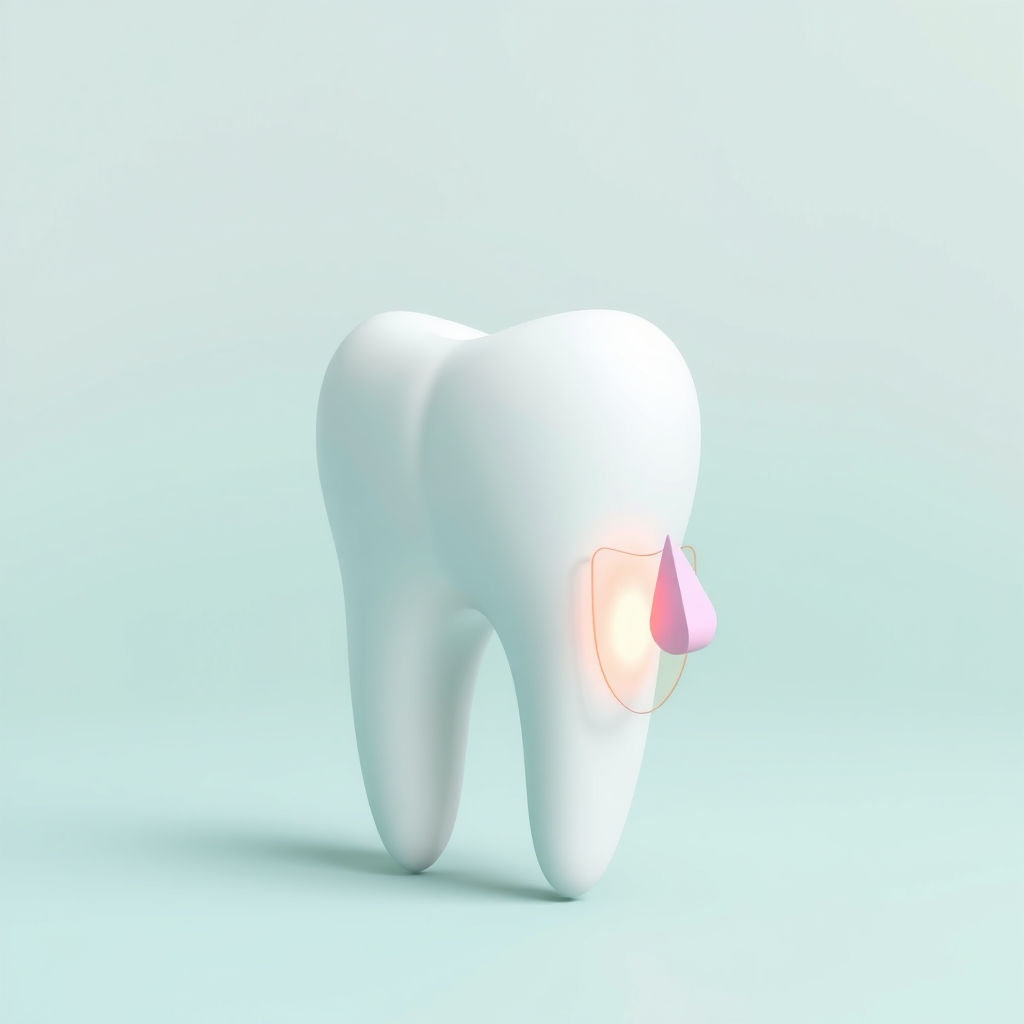
Every day, the enamel on your teeth goes through cycles of demineralisation and remineralisation caused by acids from food, drinks, and bacteria in the mouth. Fluoride helps tip this balance in your favour by:
- Strengthening enamel and making it more resistant to acid attack
- Helping reverse very early stages of tooth decay before a cavity fully forms
- Reducing the ability of decay-causing bacteria to produce harmful acids
This is why fluoride treatments are considered a preventive measure rather than a cure for existing cavities. They work best when decay is caught early or when the goal is to reduce future risk.
Who Benefits Most From Fluoride Treatment?
While fluoride treatment is generally safe for most people, certain groups see the greatest benefit.
Children and Teenagers
Growing teeth are still developing strong enamel, which makes them more vulnerable to decay. Children who have new permanent teeth coming in, or who have had cavities before, are often good candidates for regular fluoride applications.
Adults With High Cavity Risk
Fluoride treatment is not just for kids. Adults may be advised to get periodic fluoride application if they have any of the following:
- A history of frequent cavities
- Dry mouth, often caused by medications or certain health conditions
- Gum recession that exposes tooth roots, which are softer than enamel
- Active orthodontic treatment such as braces, which make cleaning harder
- Ongoing radiation therapy to the head or neck area
People With Early Signs of Decay
If a dentist spots a very early white spot lesion on a tooth, meaning decay that has not yet broken through the enamel surface, fluoride treatment combined with better home care can sometimes help remineralise the area before it needs a filling.
What Happens During the Visit
A typical fluoride treatment visit in Gurugram involves a few simple steps. The dentist first cleans the teeth to remove plaque and debris. The fluoride gel, foam, or varnish is then applied to the teeth, usually taking one to four minutes to work. You may be asked to avoid eating, drinking, or rinsing for about 30 minutes afterward so the fluoride has time to absorb into the enamel.
The entire process is comfortable and does not require any numbing or special preparation. Many clinics combine it with a routine scaling and cleaning session.
Typical Cost of Fluoride Treatment in Gurugram
Cost can vary depending on the clinic, the type of fluoride product used, and whether it is combined with a cleaning or checkup. As a general guide for patients in Gurugram, here is a typical range:
| Treatment | Typical Range (INR) |
|---|---|
| Fluoride application (single sitting) | Rs 800 to Rs 2,000 |
| Fluoride treatment combined with scaling | Rs 1,500 to Rs 3,500 |
| Pediatric fluoride varnish | Rs 600 to Rs 1,500 |
These figures are indicative only and the exact cost at Dr. Shrey Suri's clinic will depend on your specific needs after an examination. It is always best to discuss pricing during your consultation rather than relying on estimates alone.
How Often Is Fluoride Treatment Needed?
For most patients, a fluoride treatment every six months alongside a regular dental checkup is sufficient. Those at higher risk of cavities, such as children with a history of decay or adults with dry mouth, may be advised to come in more frequently, sometimes every three to four months. Your dentist will recommend a schedule based on your individual risk factors and oral health history.
Fluoride Treatment Is One Part of a Bigger Picture
While professional fluoride treatment is a valuable tool, it works best as part of a complete oral care routine. Brushing twice daily with a fluoride toothpaste, flossing regularly, limiting sugary snacks, and visiting your dentist for routine checkups all play a role in keeping cavities away. Fluoride treatment simply adds an extra layer of protection, particularly for those who need it most.
Frequently asked questions
How often should I get a fluoride treatment?
Most people at average cavity risk benefit from a fluoride treatment every six months, alongside regular dental checkups. High-risk patients may be advised to come in every three to four months.
Is fluoride treatment safe for young children?
Yes, professional fluoride treatments are considered safe for children when applied by a dentist in the correct amount. The gel or varnish is applied in small quantities and children are instructed not to eat or rinse for about 30 minutes afterward.
Can adults benefit from fluoride treatment too?
Yes. Adults with dry mouth, gum recession, a history of frequent cavities, or those wearing braces often benefit from periodic professional fluoride application, not just children.
Does fluoride treatment replace brushing and flossing?
No. Fluoride treatment strengthens enamel and adds a layer of protection, but it works best alongside daily brushing, flossing, and a balanced diet, not as a replacement for them.
Treatment costs mentioned on this page are indicative ranges for the Gurugram region. Your exact cost depends on your case and will be confirmed after a clinical examination at the clinic.