How Tongue, Lip, and Cheek Piercings Affect Your Teeth and Gums
Tongue, lip, and cheek piercings have become a popular way to express personal style. Many people in Gurugram get them without any lasting problems. But because these piercings sit so close to your teeth and gums, they can quietly affect your oral health over time. Knowing the risks and how to care for a piercing properly can help you enjoy it safely.
How Oral Piercings Can Affect Your Mouth
The jewelry used in tongue, lip, and cheek piercings is made of metal or acrylic, materials that are much harder than tooth enamel and gum tissue. Constant contact between the jewelry and your mouth can lead to a range of dental issues, some immediate and some that develop gradually.
Chipped or Cracked Teeth
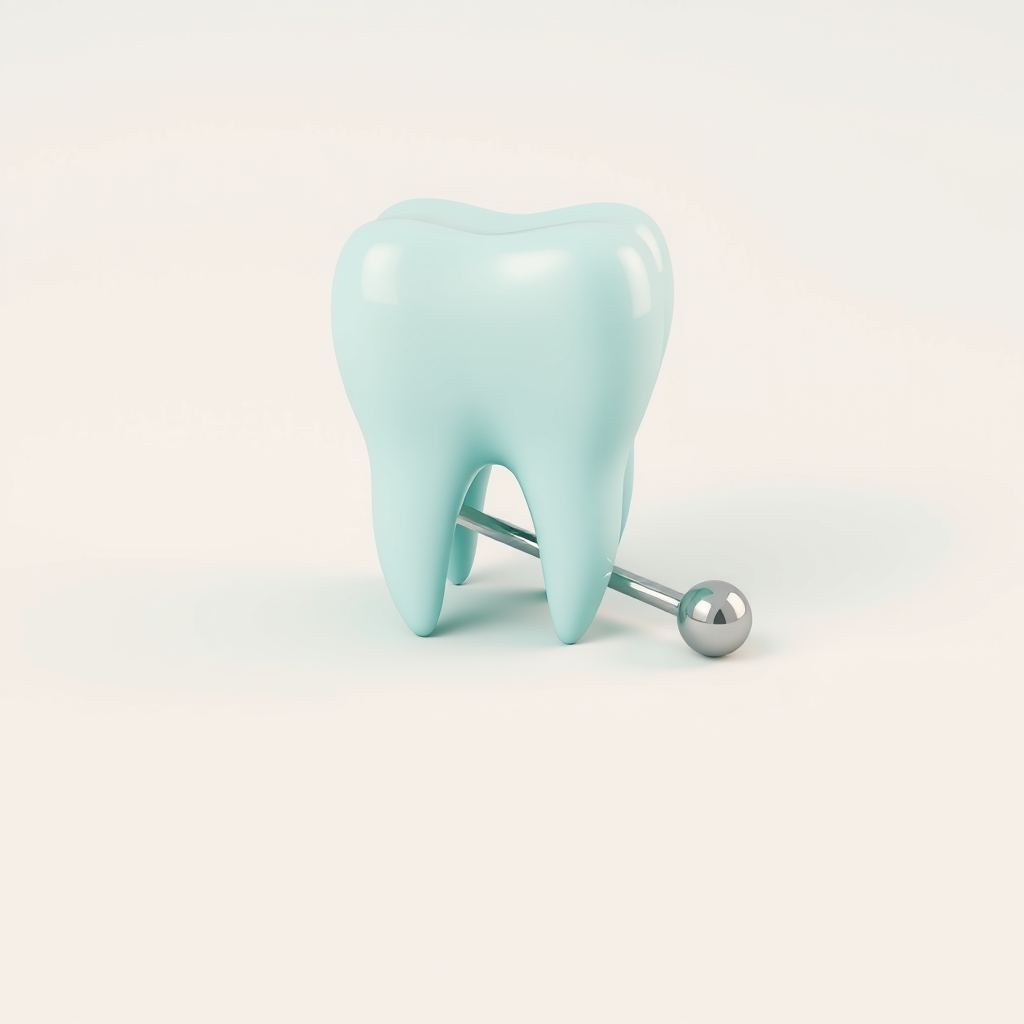
A tongue barbell can knock against your front and back teeth thousands of times a day through talking, chewing, and simple habits like clicking the jewelry against your teeth. Over months and years, this repeated contact can chip enamel or crack a tooth, sometimes without you even noticing until sensitivity or a rough edge appears.
Gum Recession and Damage
Lip and cheek piercings often rest against the gums near the front teeth. The constant rubbing can wear away gum tissue, causing recession. Once gum tissue recedes, it does not grow back on its own, and the exposed tooth root can become sensitive to hot, cold, or sweet foods.
Infection and Swelling
The mouth carries a lot of bacteria, and a fresh piercing is essentially an open wound. Swelling, pain, and infection are common in the first few days after piercing, and in some cases infection can spread to deeper tissues of the tongue or face if not treated promptly.
Speech and Chewing Difficulty
A swollen or pierced tongue can temporarily affect speech, taste, and chewing. Most people adjust after the initial healing period, but a piercing that is too large or positioned awkwardly can continue to interfere with normal function.
Increased Risk of Tooth Wear and Loose Teeth
Excessive playing with the jewelry, biting down on it, or wearing an oversized barbell can put ongoing pressure on nearby teeth, sometimes contributing to tooth mobility over the long term.
| Piercing Location | Common Dental Risk |
|---|---|
| Tongue | Chipped teeth, tongue swelling, speech changes |
| Lip | Gum recession, tooth root exposure |
| Cheek | Cheek lining irritation, gum wear near back teeth |
Prevention Tips for Safer Oral Piercings
If you already have an oral piercing or are planning to get one, these habits can lower your risk of dental complications.
- Choose a smaller barbell or stud once initial swelling goes down, since bulkier jewelry causes more friction against teeth and gums.
- Avoid clicking, twisting, or biting the jewelry as a habit.
- Clean the piercing and your mouth gently but thoroughly after every meal during healing.
- Use a soft toothbrush and non-alcohol mouth rinse to avoid irritating healing tissue.
- Watch for signs of infection such as increasing pain, pus, fever, or spreading redness, and seek care quickly if these appear.
- Remove jewelry during sports or physical activity to prevent accidental tooth injury.
- Visit your dentist regularly so early enamel wear or gum recession can be caught before it becomes serious.
When to See a Dentist
You should get a dental checkup soon after getting an oral piercing, and then continue with routine visits every six months. If you notice a chipped tooth, gum recession, a loose tooth, or ongoing sensitivity, do not wait for your next scheduled visit. Early evaluation can often prevent a small problem from turning into a bigger, more costly one.
Many people in Gurugram enjoy oral piercings without any serious dental issues, especially when they follow good aftercare and keep up with regular dental visits. A quick checkup can give you peace of mind and help protect your smile for the years ahead.
Frequently asked questions
Are tongue piercings more risky than lip or cheek piercings?
Tongue piercings tend to carry higher risk because the jewelry constantly rubs against teeth and gums, and the tongue heals slowly due to swelling. Lip and cheek piercings mainly affect the gums and inner cheek lining but can still cause chipped teeth or gum recession over time.
Can a chipped tooth from a piercing be fixed?
Yes. Minor chips can often be smoothed or repaired with bonding, while larger fractures may need a crown. It is best to get it checked early before the crack worsens or the tooth becomes sensitive.
How soon after getting an oral piercing should I see a dentist?
It is a good idea to visit within the first few weeks to have your dentist check healing, gum health, and jewelry placement, and then continue with regular six monthly dental checkups.
Is it safe to keep an oral piercing long term?
Many people wear oral piercings for years without major problems, but it requires consistent care such as using a smaller barbell, avoiding clicking it against teeth, and getting regular dental checkups to catch early gum or enamel damage.
Treatment costs mentioned on this page are indicative ranges for the Gurugram region. Your exact cost depends on your case and will be confirmed after a clinical examination at the clinic.