Gum Graft Surgery for Severe Gum Recession: Procedure, Recovery and Cost
Gum recession happens gradually, so many people do not notice it until a tooth looks longer than before or cold water suddenly causes a sharp twinge. In mild cases, simple care and monitoring are enough. But when recession is severe, a gum graft may be the only reliable way to protect the tooth and stop further damage. Here is what patients in Gurugram should know before considering this procedure.
What Causes Severe Gum Recession
Gum recession is the gradual exposure of the tooth root as gum tissue pulls back. Common causes include:
- Long-term gum disease (periodontitis)
- Aggressive or incorrect brushing technique
- Genetics, including naturally thin gum tissue
- Teeth grinding or an uneven bite
- Tobacco use
- Lip or tongue piercings that rub against the gums
When the underlying cause is not addressed, recession tends to worsen over time.
When Is Gum Graft Surgery Actually Needed
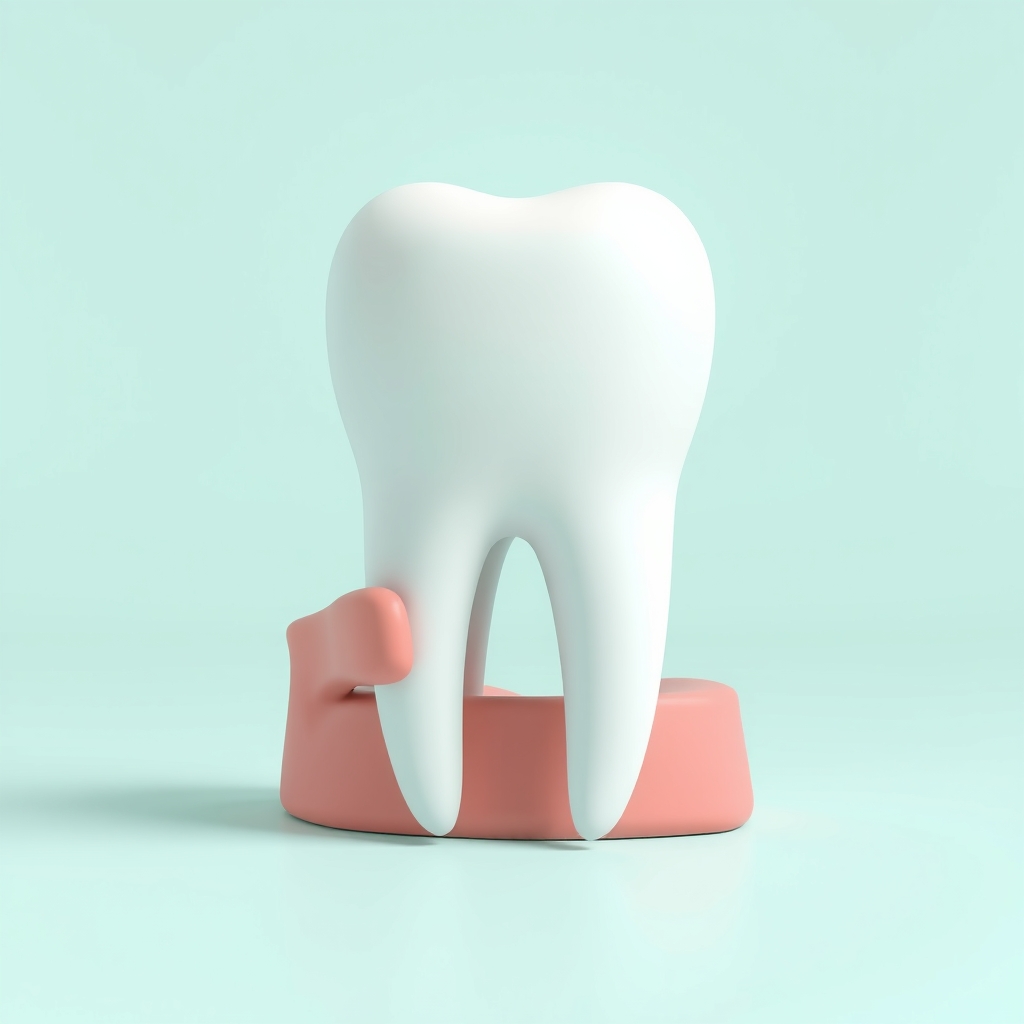
Not every case of recession requires surgery. Your dentist will usually recommend a gum graft when:
- The tooth root is significantly exposed and sensitive to hot, cold, or brushing
- Recession is progressing and threatens the tooth's long-term stability
- There is visible bone loss risk around the root
- The exposed root is prone to decay because it lacks protective enamel
- Recession affects appearance, especially in the front teeth
A thorough dental and gum examination, sometimes with X-rays, helps determine whether grafting is genuinely necessary or whether non-surgical care is sufficient.
How Gum Graft Surgery Works
There are a few different techniques, and your dentist will choose based on the extent of recession and the number of teeth involved.
Connective Tissue Graft
This is the most common method. A small piece of tissue is taken from under the surface of the palate and stitched over the exposed root area. It tends to blend naturally with surrounding gum tissue.
Free Gingival Graft
A thin layer of tissue is taken directly from the palate and placed at the recession site. This is often used when the gum tissue is very thin and needs to be thickened.
Pedicle Graft
Instead of taking tissue from the palate, nearby gum tissue is partly cut and shifted to cover the exposed root. This works well when there is enough healthy gum tissue adjacent to the affected tooth.
In some cases, graft material from a tissue bank is used instead of tissue from your own palate, which can reduce discomfort from a second surgical site.
What to Expect During the Procedure
The surgery is performed under local anaesthesia and typically takes about 30 to 90 minutes per site, depending on the number of teeth treated. The area is numbed completely, so you should not feel pain, only some pressure. Stitches are placed to secure the graft, and a protective dressing may be applied over the palate if tissue was taken from there.
Recovery Timeline
| Time Period | What to Expect |
|---|---|
| Day 1 to 3 | Mild swelling and soreness, soft diet, prescribed pain relief |
| Day 4 to 7 | Discomfort reduces, stitches may dissolve or be removed |
| Week 2 to 3 | Gum tissue continues healing, gentle brushing can resume near the area |
| 4 to 6 weeks | Tissue largely settled, normal brushing and diet resume fully |
| 2 to 3 months | Final healed appearance and texture of the graft |
During healing, you will be asked to avoid hard, crunchy, or spicy foods, and to follow specific brushing instructions for the treated area to protect the graft.
Cost of Gum Graft Surgery in Gurugram
The cost depends on the technique used, the number of teeth involved, and whether your own tissue or a tissue bank graft is used. As a general guide, the typical range for gum graft surgery per tooth in Gurugram is approximately ₹8,000 to ₹25,000, with multiple-tooth cases costing proportionately more. Your dentist will give you an accurate estimate after examining your gums and discussing the best technique for your case.
Caring for Your Gums After a Graft
- Use a soft-bristled toothbrush and gentle technique going forward
- Avoid tobacco, which slows healing and affects long-term results
- Treat any underlying bite issues or grinding habits
- Keep up with regular dental cleanings and check-ups
Addressing severe gum recession early, before extensive bone or root damage occurs, generally leads to a smoother procedure and more predictable healing.
Frequently asked questions
Is gum graft surgery painful?
The procedure is done under local anaesthesia, so you will not feel pain during surgery. Mild soreness and swelling are common for a few days afterward, and this is managed well with prescribed painkillers and cold compresses.
Can gum recession heal without surgery?
Mild recession can sometimes be managed with better brushing technique, a soft toothbrush, and treating the underlying cause such as gum disease. However, once gum tissue is lost significantly, it does not grow back on its own and surgery is the only way to restore coverage.
How long does a gum graft last?
With good oral hygiene and regular dental check-ups, the results of a gum graft are generally long lasting. Continuing to address the original cause, such as brushing pressure or bite issues, helps maintain the outcome over the years.
Will my tooth look different after the graft?
Yes, in a good way. Covering an exposed root usually improves the tooth's appearance, reduces sensitivity, and makes the gumline look more even.
Treatment costs mentioned on this page are indicative ranges for the Gurugram region. Your exact cost depends on your case and will be confirmed after a clinical examination at the clinic.