Plaque vs Tartar: What's the Difference and How to Prevent Buildup
If your dentist has ever mentioned plaque or tartar during a check-up, you are not alone in wondering what the actual difference is. Both terms come up often in dental visits across Gurugram, yet many patients use them interchangeably. Understanding how each forms can help you take better care of your teeth between cleanings.
What Is Dental Plaque?
Plaque is a soft, sticky film that forms on your teeth throughout the day. It is made up of bacteria, food particles, and saliva. Every time you eat or drink something sugary or starchy, the bacteria in your mouth feed on it and produce acids. These acids combine with bacteria to form plaque, which clings to the tooth surface and along the gumline.
Plaque is constantly forming, even just a few hours after brushing. The good news is that it is still soft at this stage, which means it can be removed fairly easily with regular brushing and flossing.
What Is Tartar?
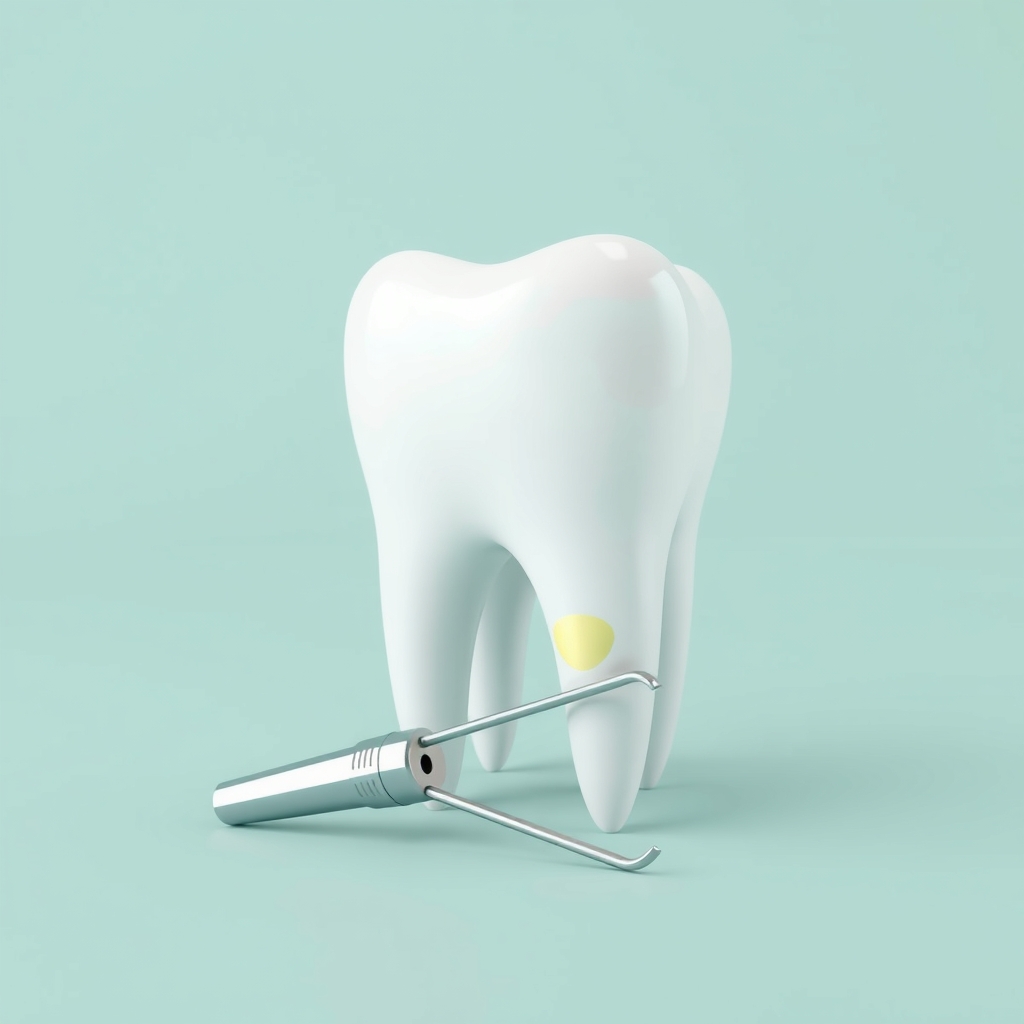
Tartar, also called dental calculus, is what plaque turns into when it is not removed in time. Over a period of about 24 to 72 hours, plaque can absorb minerals from your saliva and harden into a rough, chalky deposit. Once this happens, brushing alone cannot remove it.
Tartar usually appears as a yellow, brown, or grayish crust, often near the gumline or on the inner surface of lower front teeth, where saliva glands are more active. It provides a rough surface that makes it even easier for new plaque to stick, which can accelerate gum irritation if left untreated.
Key Differences Between Plaque and Tartar
| Feature | Plaque | Tartar |
|---|---|---|
| Texture | Soft and sticky | Hard and crusty |
| Formation time | Within hours of eating | Develops from unremoved plaque in 1-3 days |
| Removable at home | Yes, with brushing and flossing | No, requires professional scaling |
| Color | Pale or colorless | Yellow, brown, or gray |
| Risk if ignored | Can lead to tartar formation | Can lead to gum disease and cavities |
Why This Matters for Your Gum Health
Both plaque and tartar can irritate your gums, but tartar is more concerning because it cannot be brushed away and often collects below the gumline. This can lead to gum inflammation, bleeding, and in more advanced stages, gum disease that affects the structures supporting your teeth. Catching buildup early, before it hardens, makes a real difference in long-term oral health.
Practical Steps to Prevent Buildup Between Cleanings
Daily habits matter more than any single dental visit. Here are steps that genuinely help reduce plaque before it has a chance to harden into tartar.
- Brush twice a day for two minutes using a fluoride toothpaste, paying attention to the gumline and back teeth.
- Floss once daily to remove plaque from between teeth where a toothbrush cannot reach.
- Use an antibacterial or fluoride mouth rinse if recommended by your dentist, especially if you are prone to buildup.
- Limit frequent snacking on sugary or starchy foods, since these feed the bacteria that form plaque.
- Drink plenty of water through the day, which helps rinse away food particles and supports saliva flow.
- Replace your toothbrush every three to four months or sooner if the bristles fray.
- Avoid tobacco products, which are linked to faster tartar buildup and staining.
Why Professional Cleanings Are Still Necessary
Even with excellent home care, some plaque hardens into tartar in spots that are hard to reach, such as behind the lower front teeth or along the back molars. Only a dental professional has the tools to safely remove tartar through a process called scaling, without damaging the tooth surface. Routine professional cleanings every six months, or as advised by your dentist, help catch buildup before it leads to bigger problems.
A Simple Takeaway
Plaque is a normal, daily occurrence that can be managed with consistent brushing and flossing. Tartar is what happens when plaque is left in place for too long, and it requires a dental visit to remove safely. Staying consistent with home care and regular check-ups is the most reliable way to keep both under control and protect your gums for the long run.
Frequently asked questions
Can I remove tartar at home with a toothbrush?
No. Once plaque hardens into tartar, it bonds tightly to the tooth surface and needs professional scaling with dental instruments. Brushing harder will not remove it and may irritate your gums instead.
How often should I get professional cleaning to prevent tartar buildup?
Most people benefit from a professional cleaning every six months. If you tend to build up tartar quickly or have gum disease, your dentist may suggest cleanings every three to four months.
Does tartar always cause gum disease?
Tartar does not guarantee gum disease, but it creates a rough surface where bacteria thrive, which significantly raises the risk of gum inflammation and infection if left untreated.
Is yellow buildup on teeth plaque or tartar?
Yellow or brownish buildup near the gumline, especially on lower front teeth, is usually tartar. Plaque is typically soft, pale, and less noticeable without a disclosing agent.
Treatment costs mentioned on this page are indicative ranges for the Gurugram region. Your exact cost depends on your case and will be confirmed after a clinical examination at the clinic.