Medication-Related Tooth Staining: Causes and Treatment Options
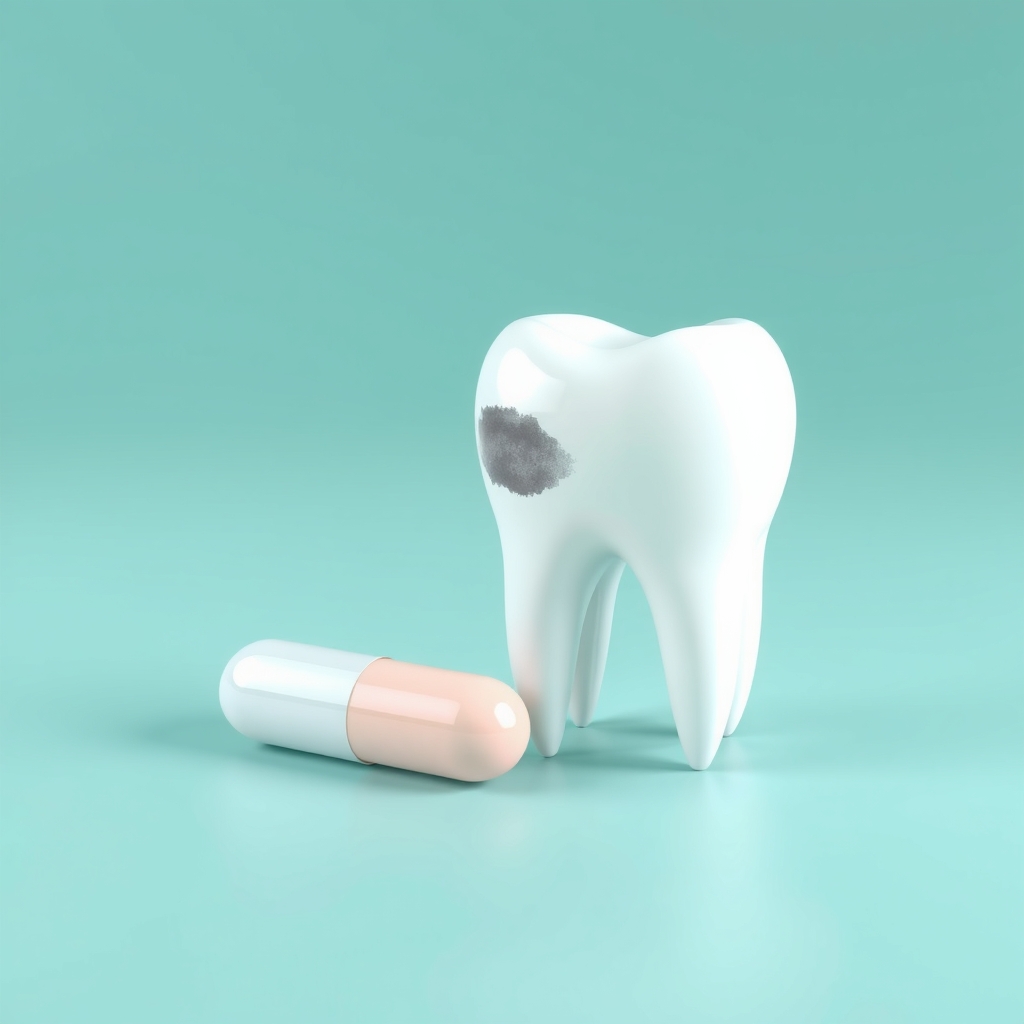
If your teeth have gradually turned yellow, grey, or developed odd streaks without any obvious reason like smoking or coffee, a medication you take or once took could be behind it. Many patients visiting our clinic in Gurugram are surprised to learn that common medicines, including antibiotics, allergy medications, and even iron supplements, can change the color of teeth. The good news is that most of these stains can be managed with the right dental treatment.
How Medications Cause Tooth Discoloration
Teeth can stain in two basic ways: from the outside (extrinsic) or from within the tooth structure itself (intrinsic). Medications are often linked to intrinsic staining, which is harder to remove with simple cleaning because the discoloration is built into the tooth rather than sitting on its surface.
Tetracycline and Related Antibiotics
Tetracycline and doxycycline are well known for causing tooth discoloration, particularly when taken by pregnant women, infants, or children under eight years old while teeth are still developing. The antibiotic binds to the mineral structure of the tooth, leading to grey, brown, or bluish bands that can affect both baby and permanent teeth. In adults, tetracycline taken after teeth have fully formed generally does not cause the same staining, but long-term or repeated use may still have some effect.
Antihistamines and Other Common Medicines
Long-term use of certain antihistamines, blood pressure medications, and antipsychotic drugs has been associated with intrinsic tooth discoloration in some patients, though the mechanism is less understood than with tetracycline. Some medications also reduce saliva flow, which can indirectly contribute to staining by allowing food and drink pigments to cling to teeth more easily.
Iron Supplements
Liquid iron supplements, often prescribed for anemia, are a frequent cause of surface staining. They can leave dark, blackish deposits on teeth, especially along the gumline, because the iron reacts with substances in the mouth. This type of staining is usually extrinsic and tends to respond well to professional cleaning.
Other Contributing Medicines
Mouth rinses containing chlorhexidine, certain anti-nausea medicines, and some chemotherapy drugs have also been linked to tooth discoloration. If you are unsure whether your medication could be a cause, it helps to bring your prescription list to your dental appointment.
Treatment Options to Restore a Natural Shade
Treatment depends on whether the staining is on the surface or within the tooth, how deep the discoloration goes, and how many teeth are affected.
Professional Dental Cleaning
For surface stains, particularly from iron supplements, a thorough professional cleaning can often remove much of the discoloration and restore a brighter appearance without any further treatment.
Teeth Whitening
In-office or dentist-supervised at-home whitening can lighten many types of discoloration, including mild to moderate cases linked to antihistamines or other medications. Whitening works less predictably on tetracycline staining, especially when the bands are dark or extensive, though it may still offer some improvement over several sessions.
Dental Veneers
For tetracycline-stained teeth or discoloration that does not respond well to whitening, thin porcelain veneers placed over the front surface of teeth can mask the staining completely while looking natural. This is often the preferred option for visible front teeth with stubborn banding.
Dental Bonding
Composite bonding is a less invasive alternative to veneers for smaller areas of discoloration or when a quicker, more affordable fix is needed. It involves applying a tooth-colored resin directly to the tooth surface.
Crowns
In cases of severe intrinsic staining combined with other structural issues, a crown may be recommended to fully cover and restore the tooth.
| Treatment | Best For | Typical Range (INR) |
|---|---|---|
| Professional Cleaning | Surface stains, iron supplement marks | 1,500 to 4,000 |
| Teeth Whitening | Mild to moderate discoloration | 8,000 to 20,000 |
| Composite Bonding | Localized staining, chips | 2,500 to 6,000 per tooth |
| Porcelain Veneers | Tetracycline staining, visible front teeth | 12,000 to 25,000 per tooth |
These figures are a typical range for Gurugram and can vary depending on the extent of staining, materials used, and the number of teeth involved. An in-person consultation is the best way to get an accurate estimate for your specific case.
What to Do Next
If you have noticed unexplained staining and suspect a medication may be the cause, it is worth getting a dental evaluation rather than guessing or trying home remedies. A dentist can examine the pattern and depth of discoloration, review your medical history, and recommend a treatment plan suited to your teeth and your budget.
Frequently asked questions
Can medication stains be removed with regular brushing or whitening toothpaste?
Usually not. Internal staining from medications sits within the tooth structure, so surface-level cleaning or whitening toothpaste has little effect. Professional evaluation is needed to choose the right treatment.
Is tetracycline staining permanent?
It can be quite stubborn since it affects the tooth from within, especially if the medication was taken during childhood tooth development. However, treatments like veneers or crowns can effectively restore a natural appearance even when whitening alone does not work.
Will stopping the medication reverse the discoloration?
No. Once staining has occurred, especially internal staining, stopping the medication will not reverse existing discoloration. Any new tooth structure formed afterward will not be affected, but existing stains need separate treatment.
How do I know if my staining is from medication or something else like food and tobacco?
Medication-related stains often appear as bands, streaks, or an even greyish-yellow tint across multiple teeth, sometimes from childhood. A dental examination can help distinguish this from surface stains caused by food, tea, coffee, or tobacco.
Treatment costs mentioned on this page are indicative ranges for the Gurugram region. Your exact cost depends on your case and will be confirmed after a clinical examination at the clinic.