Water Flosser vs String Floss: An Honest Comparison
Many patients in Gurugram ask us the same question during check-ups: should I switch to a water flosser, or stick with string floss? Both tools remove plaque and food particles from between teeth, but they work differently and suit different needs. This guide breaks down how each one works, who benefits most, and how to pick and use the right option for your mouth.
How String Floss Works
Traditional floss is a thin strand of nylon or PTFE that you guide between teeth and curve against each tooth surface in a C-shape. This physical scraping action removes plaque, the sticky film of bacteria that causes cavities and gum disease, from areas a toothbrush cannot reach.
Done correctly, string floss is highly effective. The challenge is technique and consistency. Many people floss too quickly, skip back teeth, or snap the floss against the gums, which can cause irritation rather than benefit.
How Water Flossers Work
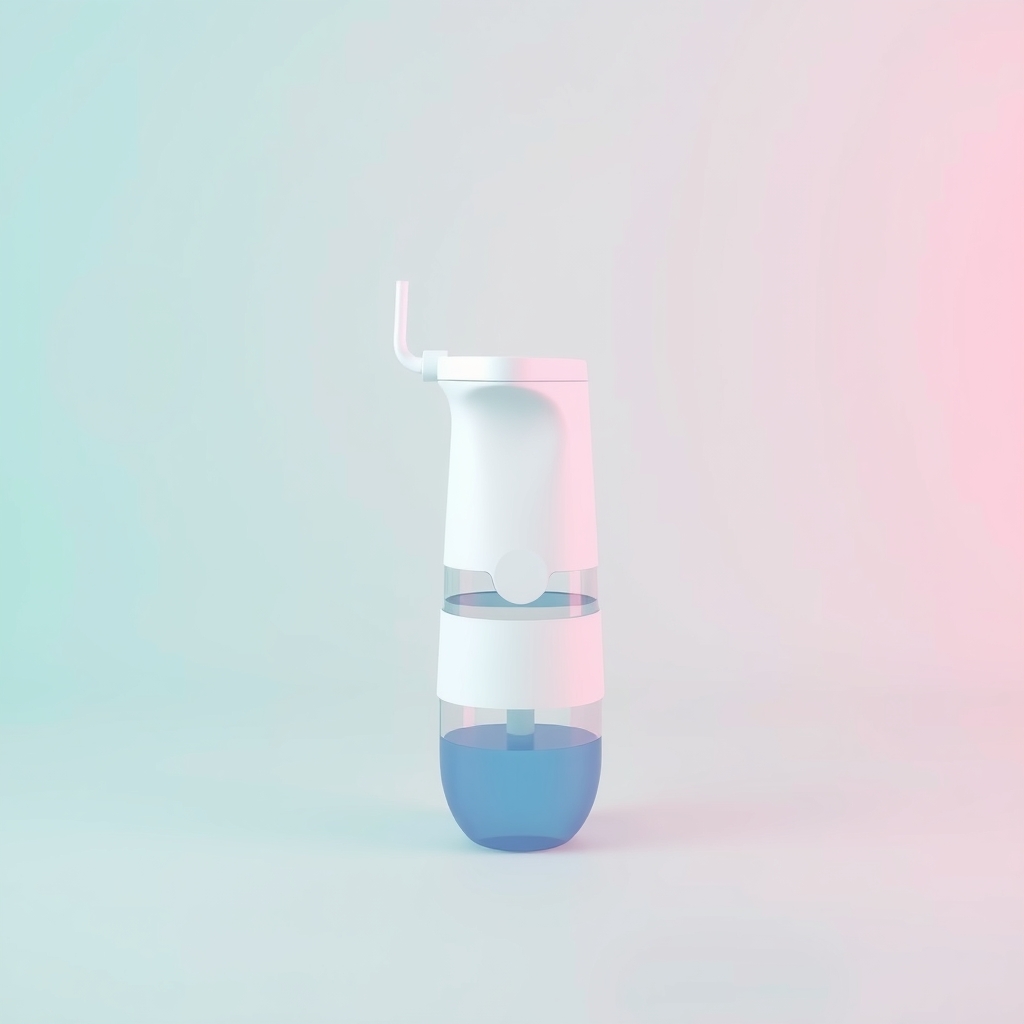
A water flosser, also called an oral irrigator, uses a thin, pressurised stream of water to flush out debris and disrupt plaque along the gumline and between teeth. It does not scrape the tooth surface the way string floss does, but the pulsing water pressure can reach areas that are awkward to floss manually, such as around bridges, implants, braces, and back molars.
Studies generally show water flossers are effective at reducing gum bleeding and inflammation, sometimes performing as well as or slightly better than string floss for gum health, though plaque removal on tooth surfaces can be comparable rather than superior.
Who Benefits Most From Each Option
String floss works well for
- People with naturally tight tooth contacts who need a scraping action
- Patients comfortable with manual dexterity and consistent technique
- Budget-conscious users, since floss is inexpensive and portable
Water flossers work well for
- Patients with braces, retainers, bridges, or dental implants
- People with arthritis or limited hand dexterity who struggle with string floss
- Those with gum disease or deep gum pockets where water pressure reaches further
- Anyone who finds string floss uncomfortable or tends to skip it due to effort
Comparing the Two Side by Side
| Factor | String Floss | Water Flosser |
|---|---|---|
| Plaque removal | Strong on tooth surfaces | Good, especially at gumline |
| Ease for braces/implants | Difficult, needs threading | Much easier |
| Learning curve | Requires practice | Simple from the start |
| Portability | Very high, fits in pocket | Needs counter space and power |
| Typical cost in Gurugram | Low, typical range Rs 50 to Rs 150 per pack | Higher, typical range Rs 1,500 to Rs 6,000 for a device |
How to Choose Between Them
If you have healthy gums, normal tooth spacing, and are consistent with technique, string floss alone may be sufficient. If you have braces, implants, bridges, gum disease, or simply find flossing a chore you keep skipping, a water flosser can improve your consistency and gum health significantly.
Many patients in Gurugram choose to use both, a water flosser for daily ease and string floss a few times a week for tighter contacts. This combination often gives the most thorough clean.
Tips for Using a Water Flosser Effectively
- Start on the lowest pressure setting and increase gradually over a week
- Lean over the sink and close your lips partly to avoid splashing
- Aim the tip at a 90-degree angle to the gumline, not straight into the gum
- Work systematically around the mouth, spending a few seconds per tooth
- Use lukewarm water for comfort, especially with sensitive teeth or gums
Tips for Using String Floss Effectively
- Use about 18 inches of floss, winding most around your middle fingers
- Curve the floss into a C-shape against each tooth rather than snapping it in
- Slide gently up and down below the gumline, not just side to side
- Use a fresh section of floss for each tooth to avoid spreading bacteria
Whichever method you choose, the real key is daily consistency. If you are unsure which tool suits your mouth, gum condition, or dental work, our team at Dr. Shrey Suri's clinic in Gurugram can assess your teeth and recommend a routine that genuinely fits your needs.
Frequently asked questions
Can a water flosser replace string floss completely?
For most people, no. Water flossers clean well but work best alongside brushing, not as a total replacement for mechanical cleaning between tight tooth contacts. Your dentist can tell you if your teeth spacing allows water flossing alone.
Is a water flosser better for braces or implants?
Yes, generally. Water flossers are easier to use around brackets, wires, bridges, and implants where string floss can be hard to thread. Many orthodontic patients in Gurugram find them more comfortable.
How often should I use a water flosser?
Once daily is enough for most people, ideally after brushing at night. Using it does not mean you can skip brushing twice a day.
Do water flossers hurt sensitive gums?
Start on the lowest pressure setting and increase gradually. Most people with sensitive gums tolerate water flossers well once they get used to the sensation.
Treatment costs mentioned on this page are indicative ranges for the Gurugram region. Your exact cost depends on your case and will be confirmed after a clinical examination at the clinic.