Root Canal vs Extraction: Which Is Right for Your Tooth?
When a tooth is badly decayed, infected, or injured, patients in Gurugram often hear two options from their dentist: root canal treatment or extraction. Both are legitimate treatments, and the right choice depends on the specific tooth, your overall oral health, and your long-term goals. This guide explains how dentists actually make this decision, so you can have a more informed conversation at your appointment.
What root canal treatment does
Root canal treatment removes infected or inflamed tissue from inside the tooth, cleans the canals, and seals them. The tooth is usually finished with a crown to restore strength. The goal is simple: keep your natural tooth in your mouth, functioning normally.
Pros of saving the tooth
- You keep your natural tooth root, which preserves jawbone and bite function
- Neighbouring teeth are not disturbed, unlike with a bridge
- Chewing feels more natural compared to a replacement
- No gap is created that could cause other teeth to shift
Cons and limitations
- Requires one or more appointments and a crown afterward in most cases
- A root canal treated tooth can still fracture if not protected with a crown
- Not every tooth is a good candidate, especially if there is very little healthy structure left
What extraction does
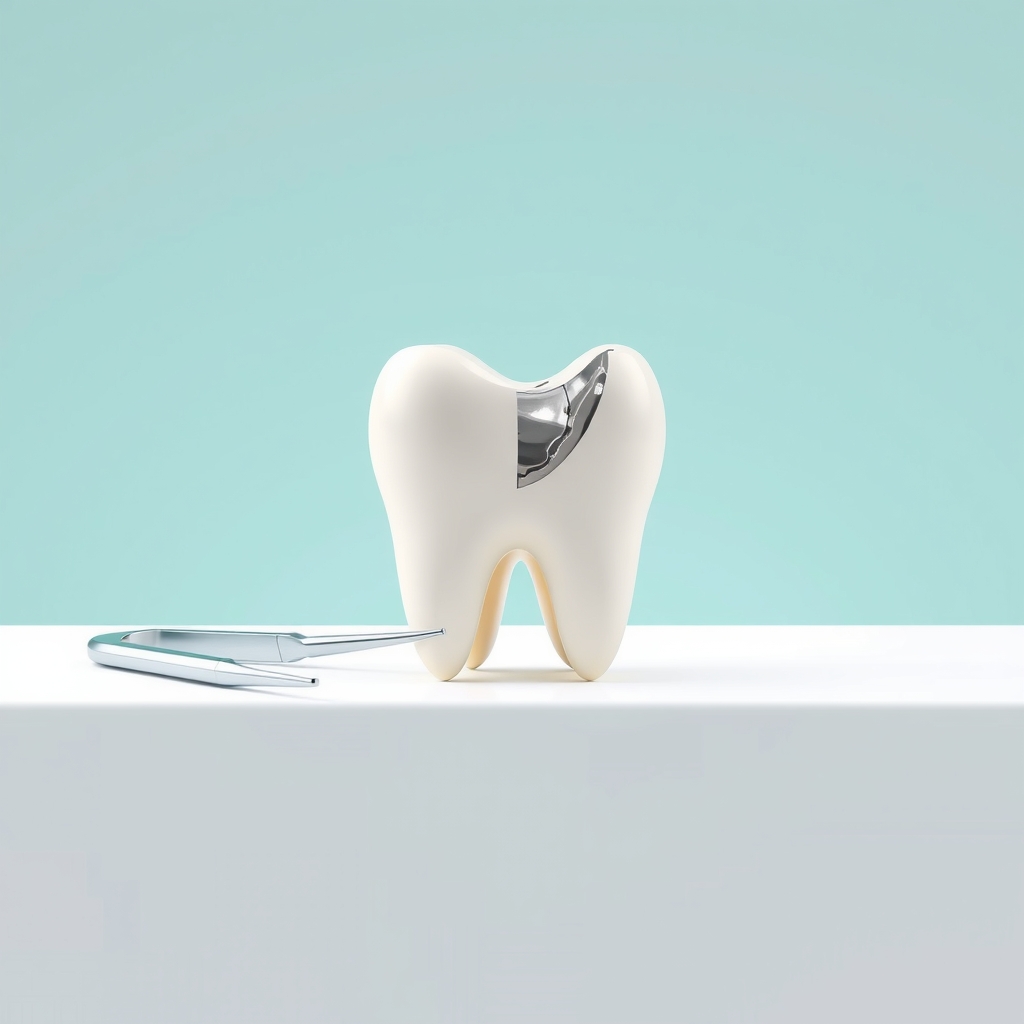
Extraction removes the tooth entirely. It is sometimes the only safe option, and sometimes it is chosen because it is simpler or because the tooth cannot be reasonably saved.
Pros of extraction
- Resolves infection or pain quickly in one visit
- Lower upfront cost compared to root canal plus crown
- Useful when the tooth has a vertical fracture, severe bone loss, or is not restorable
Cons of extraction
- Leaves a gap that can lead to shifting of neighbouring teeth over time
- Bone at the site gradually reduces in volume if not replaced
- Usually needs a replacement option such as an implant, bridge, or partial denture to restore chewing and prevent shifting
- Replacement adds to the total long-term cost and treatment time
How dentists decide: the key factors
At Dr. Shrey Suri's clinic in Gurugram, the decision is based on a clinical exam and X-ray, not guesswork. Dentists weigh:
- Amount of healthy tooth remaining: enough structure is needed to support a crown after root canal treatment
- Extent of infection: whether it is confined to the tooth or has spread significantly into the bone
- Presence of cracks: a vertical root fracture usually cannot be repaired
- Gum and bone support: advanced gum disease around the tooth can make saving it unpredictable
- Tooth's role in your bite: back teeth used for chewing are often prioritised for saving when possible
- Your health and preferences: healing ability, budget, and how important keeping the natural tooth is to you
Comparing long-term costs
Upfront cost is only part of the picture. It helps to think about the total cost over several years, including any replacement needed after extraction.
| Factor | Root canal and crown | Extraction alone | Extraction with replacement |
|---|---|---|---|
| Typical range (Gurugram) | Moderate to higher upfront | Lower upfront | Can be higher long-term |
| Future visits needed | Usually none beyond routine checkups | None, but gap remains | Implant or bridge follow-up visits |
| Bone and bite impact | Minimal, structure preserved | Gradual bone loss, possible shifting | Depends on replacement type |
Exact costs depend on the tooth's location, complexity, and materials used for the crown or replacement. Your dentist can give you a personalised estimate after examination.
When each option is usually recommended
Root canal treatment is generally recommended when the tooth has enough healthy structure, no vertical fracture, and manageable infection or inflammation. Extraction is generally recommended when the tooth is severely broken down, has a crack extending below the gum line, has very poor bone support, or when the cost and effort of saving it outweighs the realistic benefit.
Making the decision with your dentist
There is rarely a single universal right answer. The best approach is a clear conversation where your dentist explains what they see on your X-ray and exam, walks through the pros and cons specific to your tooth, and gives you a realistic long-term cost picture so you can choose with confidence.
Frequently asked questions
Is root canal treatment painful?
Modern root canal treatment is done under local anaesthesia and feels similar to getting a regular filling. Most discomfort comes from the infection before treatment, not from the procedure itself.
Can every tooth be saved with a root canal?
No. Teeth with very little remaining structure, severe gum disease, or vertical fractures often cannot be saved reliably, even with root canal treatment. Your dentist will check this with an exam and X-ray.
Is it cheaper to just extract the tooth?
Extraction alone usually costs less upfront, but if you need a bridge or implant later to replace the missing tooth, the long-term cost often works out similar to or higher than a root canal and crown.
How long does a root canal treated tooth last?
With a proper crown and good oral hygiene, a root canal treated tooth can last many years, often decades, functioning much like a natural tooth.
Treatment costs mentioned on this page are indicative ranges for the Gurugram region. Your exact cost depends on your case and will be confirmed after a clinical examination at the clinic.