Why Does Tooth Pain Get Worse at Night?
If your tooth pain feels bearable during the day but turns into a throbbing, sleep-stealing ache at night, you are not imagining it. Many patients at our Gurugram clinic describe this exact pattern. There are real physiological reasons behind it, and understanding them can help you manage the pain safely until you see a dentist.
Why Tooth Pain Feels Worse at Night
Several factors combine to make nighttime pain feel more intense than daytime discomfort from the same tooth problem.
- Blood flow changes: Lying flat increases blood flow to the head and face, which raises pressure inside an inflamed or infected tooth.
- Fewer distractions: During the day, work and activity keep your mind occupied. At night, with less to focus on, pain signals feel sharper.
- Jaw clenching: Some people unconsciously clench or grind their teeth while sleeping, which adds pressure to an already sensitive tooth.
- Cortisol dip: Cortisol, a natural anti-inflammatory hormone, drops at night. Lower cortisol levels can mean less natural pain control while you sleep.
Common Underlying Causes
Nighttime tooth pain is usually a sign of an underlying dental issue rather than a separate condition. Common causes include:
Tooth Decay
A cavity that has reached the inner layer of the tooth can cause dull to sharp pain that worsens with pressure changes at night.
Dental Abscess or Infection
An infection at the tooth root often causes a deep, throbbing pain that intensifies when lying down, sometimes with swelling or a bad taste in the mouth.
Cracked Tooth
A hairline crack may not hurt with normal biting but can flare up at night due to temperature changes under blankets or subtle jaw pressure.
Gum Disease
Inflamed gums around a tooth can throb more as blood flow increases during rest.
Sinus Pressure
Upper back teeth sit close to the sinuses. Lying down can shift sinus pressure and mimic or worsen tooth pain.
Home Relief Measures Before Seeing a Dentist
These steps are meant for short term comfort only. They do not treat the underlying cause.
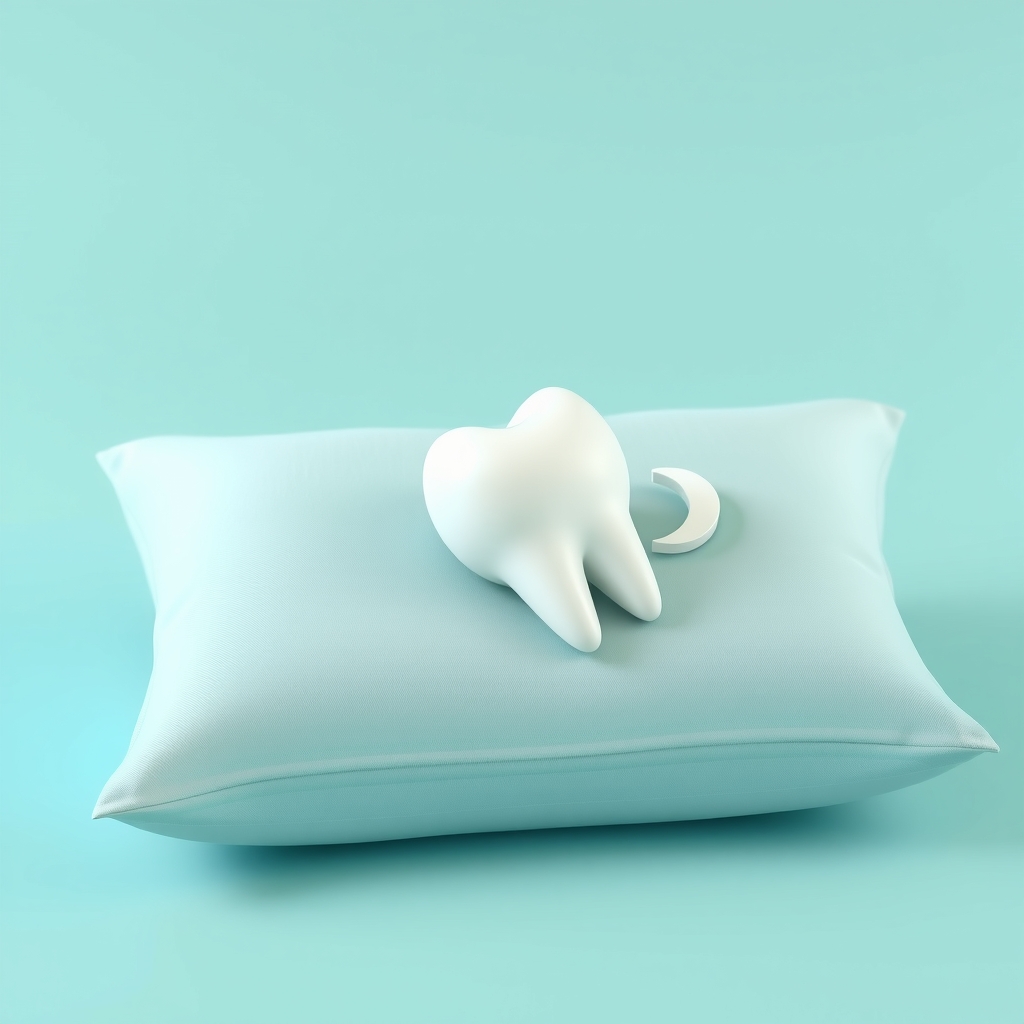
- Elevate your head: Use an extra pillow to sleep with your head slightly raised. This reduces blood pooling and pressure in the affected tooth.
- Warm salt water rinse: Rinse gently with a glass of warm water mixed with half a teaspoon of salt to reduce bacteria and mild swelling.
- Cold compress: Apply a cold pack to the outside of your cheek near the painful tooth for 10 to 15 minutes to numb the area and reduce swelling.
- Over the counter pain relief: Paracetamol or ibuprofen, taken as directed on the packaging, can help manage pain temporarily.
- Avoid trigger foods: Skip very hot, cold, sweet, or hard foods before bed if you suspect sensitivity or a cracked tooth.
- Clove oil: A small amount of clove oil dabbed on a cotton ball and placed near the painful tooth has a mild numbing effect for some people.
When to See a Dentist
Home measures can help you get through a rough night, but they are not a long term solution. You should book a dental visit soon if you notice:
- Pain lasting more than two days
- Swelling in the face or gums
- Fever or a general feeling of being unwell
- Pain that wakes you up repeatedly or does not respond to medication
- A bad taste or discharge near the tooth
These signs can point to an infection or abscess that needs professional treatment rather than home care alone.
| Symptom | Possible Cause |
|---|---|
| Sharp pain with hot or cold food | Decay or sensitivity |
| Constant deep throbbing | Abscess or infection |
| Pain when biting down | Cracked tooth |
| Gum tenderness and bleeding | Gum disease |
| Pain in upper teeth with stuffy nose | Sinus pressure |
Nighttime tooth pain is your body's way of signalling that something needs attention. Managing it with simple home measures is fine for a night or two, but persistent or worsening pain deserves a proper dental examination. If you are in Gurugram and dealing with a toothache that keeps you up at night, it is best to get it looked at soon rather than waiting it out.
Frequently asked questions
Why does my tooth only hurt at night and not during the day?
Lying down increases blood flow to your head, which raises pressure inside an already inflamed tooth. During the day you are also distracted by work and activity, so mild pain is less noticeable. At night, with fewer distractions and a horizontal position, the same pain feels stronger.
Is it safe to take painkillers before bed for tooth pain?
A standard dose of an over the counter painkiller like paracetamol or ibuprofen, taken as per the label instructions, is generally safe for short term relief. Avoid exceeding the recommended dose and check with a pharmacist if you take other medications.
Can a toothache at night mean I need urgent treatment?
Severe throbbing pain, facial swelling, fever, or pain that keeps you awake despite medication can indicate an infection that needs prompt dental attention. It is best not to wait more than a day or two before getting it checked.
Will rinsing with salt water actually help my tooth pain?
Warm salt water rinses can reduce bacteria and mild inflammation around the gums, offering temporary comfort. It will not fix the underlying cause, so a dental check up is still needed if pain persists.
Treatment costs mentioned on this page are indicative ranges for the Gurugram region. Your exact cost depends on your case and will be confirmed after a clinical examination at the clinic.