Orthodontic Retainers: Types, Wear Time, and Care After Braces or Aligners
Finishing braces or clear aligner treatment is a big milestone, but the work is not quite over. Retainers are what keep your teeth in their new, straighter positions. Without them, teeth can slowly drift back toward their old alignment. This guide explains the main types of retainers, how long you should wear them, and simple ways to keep them clean and safe.
Why Retainers Are Necessary
After braces or aligners move your teeth, the bone and tissue around them need time to settle into the new positions. Even after this settling period, teeth naturally tend to shift slightly with age and daily use. Retainers hold your teeth steady while this stabilising process happens and help protect your results over the years that follow.
Types of Orthodontic Retainers
Removable Retainers
These can be taken out for eating, brushing, and special occasions. Two common types are used in most clinics in Gurugram:
- Hawley retainers: A wire across the front teeth held by an acrylic base that sits on the roof of the mouth or behind the lower teeth. They are durable and can be adjusted slightly if needed.
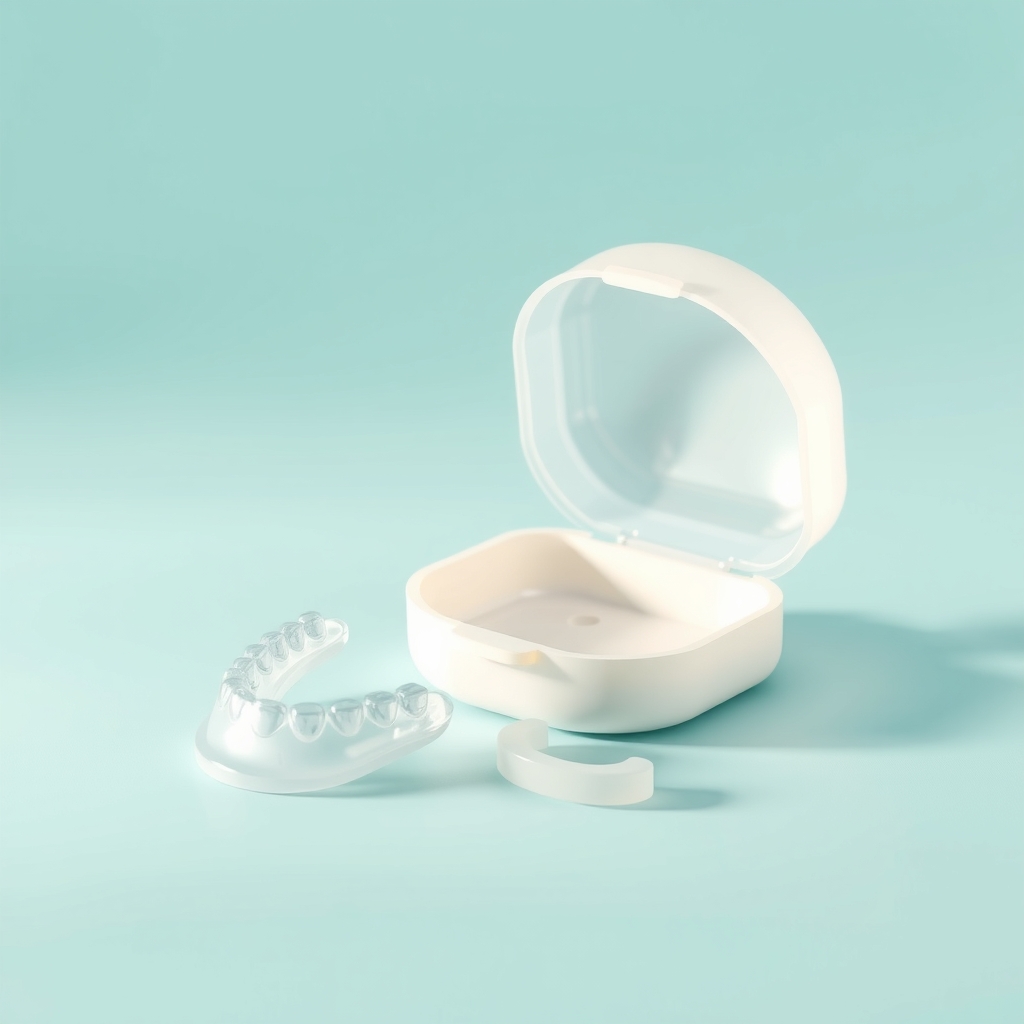
- Clear plastic retainers: Thin, transparent trays similar to clear aligners. They fit snugly over all teeth and are less visible, though they can wear out faster than Hawley retainers.
Fixed (Bonded) Retainers
A thin wire is bonded to the back of the front teeth, usually the lower ones, and stays in place permanently unless removed by a dentist. Fixed retainers are useful for patients who may not be consistent with removable ones, or where the risk of relapse is higher. They need extra care during brushing and flossing since the wire is fixed in place.
How Long Should You Wear a Retainer?
There is no single answer that fits everyone, since this depends on your original bite, how much movement was needed, and your dentist's assessment. However, a general pattern many orthodontists follow is:
- First 3 to 6 months: Full time wear, removing only to eat, brush, and drink anything other than water.
- Next 6 to 12 months: Night time wear only, as teeth become more stable.
- Long term: Many dentists recommend wearing a removable retainer a few nights a week indefinitely, or keeping a fixed retainer in place for several years.
Your dentist at the clinic will give you a schedule based on your specific case. Skipping check ups or wear time without guidance is one of the most common reasons teeth shift back.
Cleaning Your Retainer Properly
A retainer sits close to your gums and teeth for many hours a day, so keeping it clean matters for your oral health.
- Rinse the retainer with cool water every time you take it out.
- Brush it gently with a soft toothbrush and mild soap or a non abrasive denture cleaner. Avoid regular toothpaste, as it can scratch clear plastic retainers.
- Soak removable retainers occasionally in a retainer cleaning solution or a diluted mix recommended by your dentist, following the product instructions.
- For fixed retainers, use a floss threader or interdental brush to clean around the wire daily, along with regular brushing.
- Never use hot water on plastic retainers, as heat can warp the shape and affect the fit.
Storing Your Retainer Safely
Retainers are easy to lose or damage when they are not in your mouth. A few habits can prevent this:
- Always keep the retainer in its case when not wearing it, even at meals.
- Avoid wrapping it in a napkin or tissue, as it is easily thrown away by mistake.
- Keep pets away from retainers, since the smell and texture often attract chewing.
- Store the case in the same spot at home each day so it becomes a habit to check on it.
Signs You Should See Your Dentist
Book a visit if you notice your retainer feels unusually tight or loose, if a fixed wire feels bent or has come loose from a tooth, or if you see any cracks in a removable retainer. Regular reviews also help your dentist confirm that your bite and alignment remain stable over time.
If you have recently completed treatment and want your retainer checked, or need a replacement, you can reach Dr. Shrey Suri's clinic in Gurugram at +91 79482 24075.
Frequently asked questions
Can I stop wearing my retainer after a few months?
It is not advisable. Teeth can shift even after years of holding position, especially in the first year. Follow the schedule your orthodontist gives you and get regular checks before reducing wear further.
What happens if I lose or break my retainer?
Contact your dental clinic quickly. Teeth can start moving within days to weeks without a retainer. A replacement or repair can usually be arranged, so do not delay the visit.
Can I eat and drink with my retainer in?
Removable retainers should be taken out before eating and for drinks other than plain water. Fixed retainers stay in permanently, but you should still avoid very hard or sticky foods that can loosen the wire.
Why does my retainer feel tight after not wearing it for a while?
A tight fit usually means your teeth have moved slightly. Do not force it in. Have your dentist check your teeth and the retainer before you continue wearing it regularly.
Treatment costs mentioned on this page are indicative ranges for the Gurugram region. Your exact cost depends on your case and will be confirmed after a clinical examination at the clinic.