Types of Bite Misalignment: Overbite, Underbite, Crossbite and Open Bite
Many people notice their teeth do not quite meet the way they expect, but they are not sure if this is just a cosmetic quirk or something that needs a dentist's attention. Bite misalignment, also called malocclusion, is common and comes in several distinct types. Understanding which one you may have can help you decide when it is time to visit a dental clinic in Gurugram for an evaluation.
What Is a Normal Bite?
In a well-aligned bite, the upper front teeth sit slightly in front of the lower front teeth, and the back teeth fit together comfortably when the jaw is closed. Any noticeable deviation from this pattern is generally classified into one of four main types.
Overbite
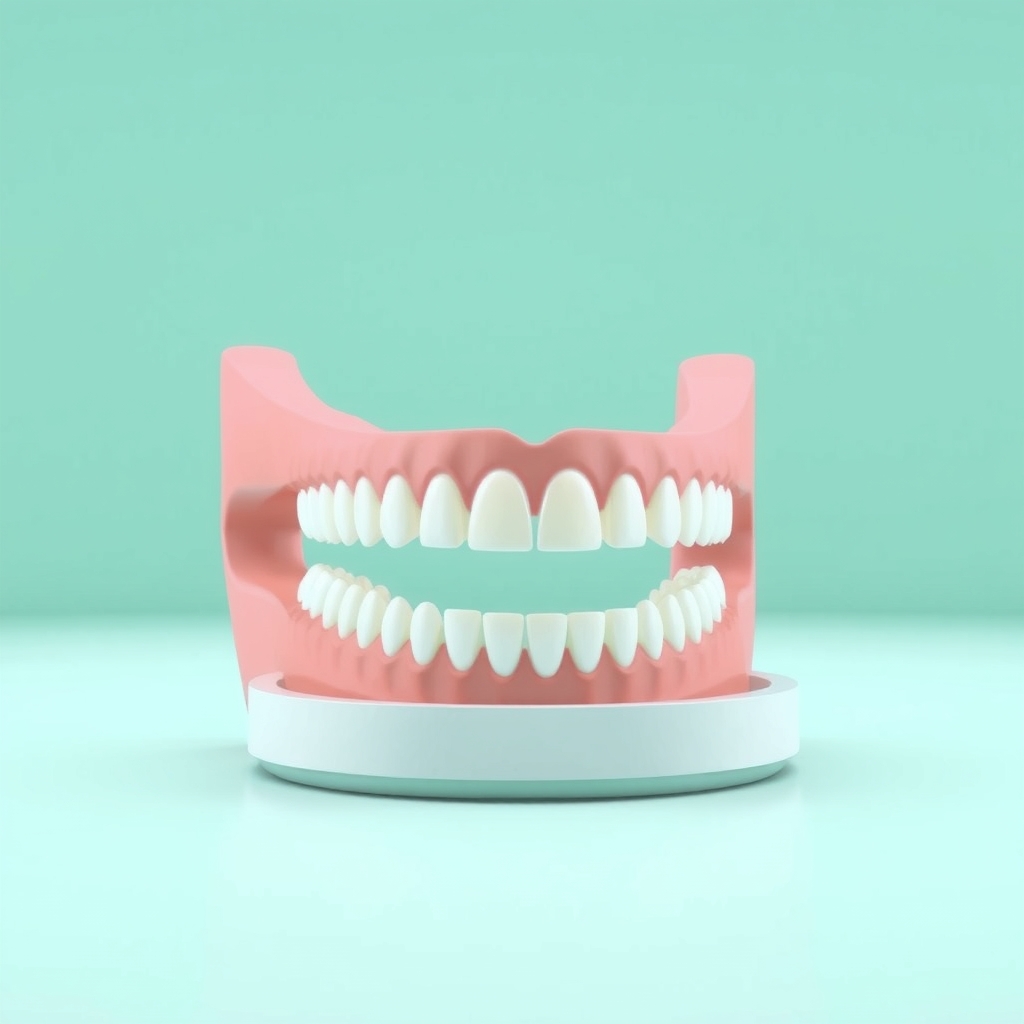
An overbite is when the upper front teeth overlap the lower front teeth more than normal. A small amount of overlap is healthy, but a deep overbite means the lower teeth may barely show, or in severe cases, bite into the gum tissue behind the upper teeth.
How to recognize it
- Upper teeth cover most or all of the lower front teeth when biting down
- Lower front teeth may touch the roof of the mouth or gum tissue
- Jaw may look recessed from the side profile
Underbite
An underbite is the opposite situation, where the lower front teeth sit in front of the upper teeth. This often happens because the lower jaw grows more than the upper jaw, or the upper jaw does not grow enough.
How to recognize it
- Lower teeth visibly extend past the upper teeth when biting
- Chin may appear more prominent
- Difficulty biting into foods like sandwiches or apples with front teeth
Crossbite
A crossbite occurs when some upper teeth sit inside the lower teeth instead of outside, which can happen on one side or both sides of the mouth. It may involve the front teeth, the back teeth, or both.
How to recognize it
- Teeth look uneven or tilted when you bite down and look in a mirror
- Jaw may shift to one side when closing the mouth
- One-sided chewing habits or jaw clicking
Open Bite
An open bite is when the upper and lower teeth do not touch at all in certain areas, even when the back teeth are fully closed together. This often affects the front teeth, creating a visible gap.
How to recognize it
- Visible gap between upper and lower front teeth when back teeth are closed
- Trouble biting through food with front teeth
- Tongue may rest between the teeth, sometimes linked to thumb-sucking habits in childhood
| Type | Main Feature | Common Cause |
|---|---|---|
| Overbite | Upper teeth overlap lower teeth excessively | Jaw growth pattern, genetics, prolonged thumb-sucking |
| Underbite | Lower teeth sit in front of upper teeth | Lower jaw overgrowth or upper jaw undergrowth |
| Crossbite | Upper teeth sit inside lower teeth on one or both sides | Narrow upper jaw, delayed baby tooth loss |
| Open Bite | Front or side teeth do not touch when biting | Tongue thrusting, thumb-sucking, skeletal growth pattern |
When Does Bite Misalignment Need Correction?
Not every irregular bite requires treatment. Mild overlaps or small gaps often do not cause problems and may simply be monitored. However, correction is usually recommended when misalignment leads to:
- Difficulty chewing or biting food properly
- Speech changes, such as a lisp
- Uneven or accelerated tooth wear
- Jaw pain, clicking, or soreness while chewing
- Breathing through the mouth or snoring linked to jaw position
- Noticeable facial asymmetry caused by jaw shifting
Children are often screened early because growing jaws respond better to guided correction, which can sometimes reduce the complexity of treatment needed later. Adults can still benefit from correction at any age, though treatment plans may differ.
What Happens During an Evaluation
A dentist will usually examine how your teeth meet, check your jaw movement, and may take X-rays or photographs to understand the bite pattern more closely. Based on the type and severity, options may range from monitoring, to braces or clear aligners, to a referral for jaw-related assessment in more complex cases.
If you have noticed any of these signs in yourself or your child, getting an early opinion from a dental clinic in Gurugram can help clarify whether it is a cosmetic concern or something that benefits from timely correction.
Frequently asked questions
Can bite misalignment get worse if left untreated?
Yes, in many cases. Teeth can shift further over time, especially during growth years in children, and uneven wear or jaw strain may increase. Not every case worsens, but a dental check helps you know whether yours needs monitoring or treatment.
Is bite correction only for appearance?
No. While a straighter bite often improves appearance, correction is mainly recommended to protect teeth from uneven wear, reduce strain on the jaw joint, improve chewing efficiency, and prevent speech or breathing difficulties in some cases.
At what age should a child's bite be checked?
Most dentists suggest an orthodontic evaluation by age 7. At this stage, some permanent teeth have come in, making it easier to spot developing bite issues even if full treatment is not started right away.
Do all bite misalignments need braces?
Not always. Mild cases may just need monitoring. Moderate to significant misalignment is usually treated with braces, clear aligners, or in some cases a combination of dental and jaw-related treatment, depending on the type and cause.
Treatment costs mentioned on this page are indicative ranges for the Gurugram region. Your exact cost depends on your case and will be confirmed after a clinical examination at the clinic.