What Causes Enamel Erosion and How to Treat It in Gurugram
If your teeth look a little more yellow than before, feel rough along the edges, or sting when you drink something cold, the cause may not be cavities at all. It could be enamel erosion, a slow wearing away of the tooth's outer protective layer caused by acid. This is one of the most common concerns we see at our clinic in Gurugram, especially among people who enjoy fizzy drinks, citrus fruits, or who deal with acid reflux.
What Is Enamel and Why Does It Erode
Enamel is the hard, shiny outer layer that covers each tooth. It protects the softer dentin underneath and gives teeth their natural white-ish colour. Unlike skin or bone, enamel cannot repair or regrow itself once it is lost. Acid, whether it comes from food, drinks, or stomach acid, softens this layer. With repeated exposure over months and years, enamel gradually thins out.
Common Causes of Enamel Erosion
Acidic Foods and Drinks
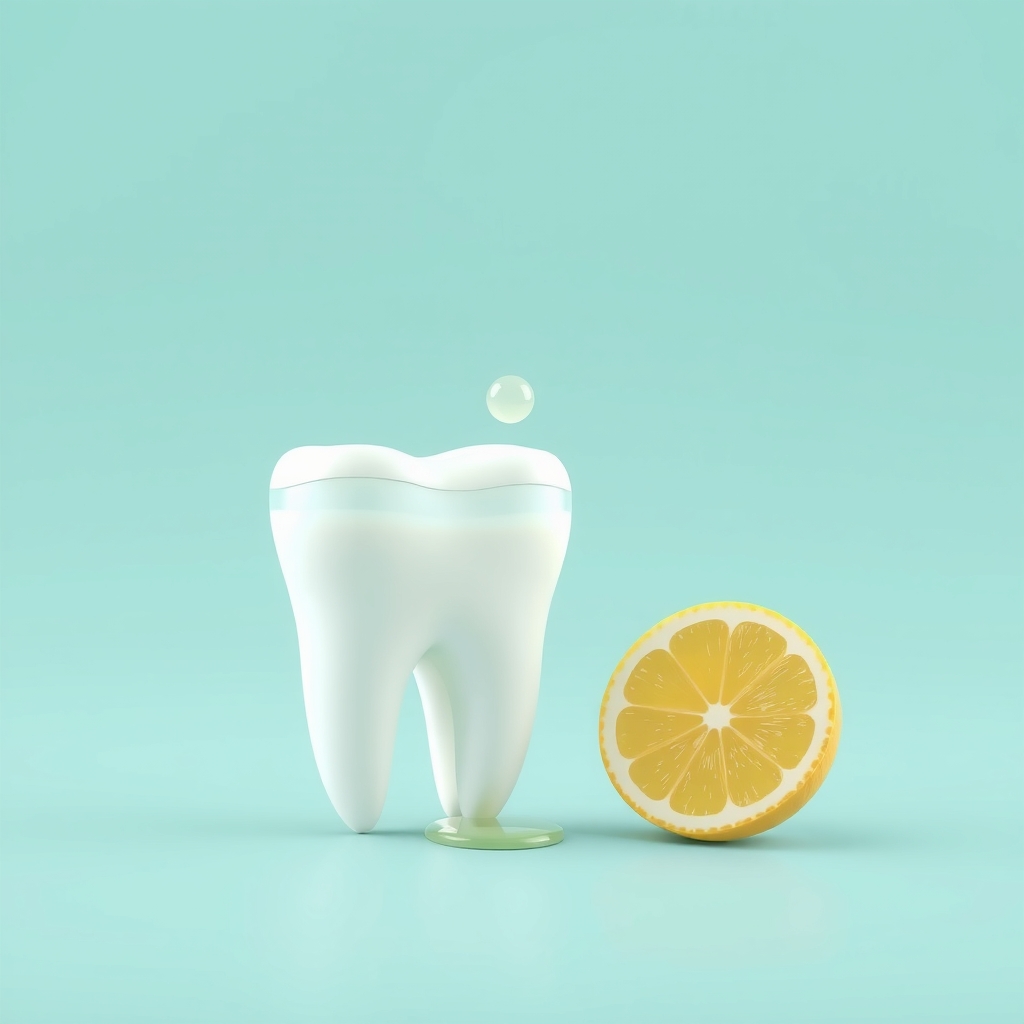
Many everyday items are more acidic than people realise. Frequent or slow sipping gives acid more time to sit on tooth surfaces.
| Food or Drink | Why It Affects Enamel |
|---|---|
| Carbonated soft drinks and sodas | Contain both acid and sugar, a double impact on enamel |
| Citrus fruits and juices | High in citric acid, especially when consumed often |
| Vinegar-based foods and pickles | Strong acidity, common in Indian diets |
| Sports and energy drinks | Often more acidic than people expect |
| Wine and certain alcoholic drinks | Acidic content combined with frequent sipping |
Acid Reflux and Vomiting
Gastroesophageal reflux disease (GERD) brings stomach acid up into the mouth, often without obvious symptoms like heartburn. This acid is much stronger than anything found in food or drink. Frequent vomiting, whether from morning sickness, bulimia, or chronic illness, has a similar effect. People with reflux often notice erosion on the inner and back surfaces of their upper teeth first.
Other Contributing Habits
- Brushing too hard or immediately after acidic food
- Dry mouth, which reduces saliva's natural buffering effect
- Frequent snacking that keeps the mouth acidic throughout the day
Warning Signs to Watch For
- Teeth look more yellow because dentin shows through thinning enamel
- Increased sensitivity to cold, hot, or sweet foods
- Edges of front teeth appear thin, rounded, or slightly see-through
- Smooth, glossy, or dimpled patches on tooth surfaces
- Rough texture when you run your tongue over the teeth
- Small cracks or chips appearing more easily than before
These changes usually happen gradually, so many patients only notice once the erosion has progressed. A dental check-up at our Gurugram clinic can confirm whether what you are seeing is erosion, staining, or something else.
Treatment Options
For Early or Mild Erosion
If enamel loss is caught early, treatment often focuses on stopping further damage and strengthening what remains. This may include professional fluoride application, a review of diet and brushing habits, and a desensitising toothpaste for comfort.
For Moderate to Advanced Erosion
Once enamel loss has exposed dentin or affected the shape of the tooth, restorative options are usually recommended. These may include:
- Tooth-coloured bonding to rebuild worn edges and protect exposed dentin
- Dental veneers for teeth with significant surface loss or thinning, mainly front teeth
- Crowns for teeth with heavier wear affecting strength and bite
The right option depends on how much enamel has been lost and which teeth are affected. Costs for these treatments vary depending on the material and number of teeth involved, with a typical range discussed only after an in-person examination.
Protecting Your Enamel Going Forward
- Use a straw for acidic or sugary drinks
- Rinse with plain water after acidic food instead of brushing right away
- Wait at least 30 minutes before brushing after acid exposure
- Chew sugar-free gum to boost saliva flow after meals
- Get reflux symptoms evaluated by a physician if they occur regularly
- Use a soft-bristled brush with gentle pressure
Enamel erosion develops slowly, which means small changes in daily habits can make a real difference over time. If you have noticed your teeth becoming thinner, yellower, or more sensitive, it is worth getting them examined before the wear progresses further.
Frequently asked questions
Can eroded enamel grow back?
No. Enamel does not regenerate once it is lost, since it has no living cells. However, early softening from acid exposure can sometimes be re-hardened with fluoride before permanent loss occurs. This is why catching the problem early matters.
Is lemon water bad for my teeth every day?
Drinking lemon or citrus water daily can gradually wear down enamel, especially if sipped slowly over a long time. If you enjoy it, drink it quickly, use a straw, and rinse with plain water afterward rather than brushing immediately.
How is enamel erosion from reflux different from erosion caused by diet?
Acid reflux tends to affect the back teeth and the tongue side of upper teeth, often with a sour taste or heartburn as a clue. Dietary erosion from foods and drinks usually affects the front teeth and biting edges first. Both can occur together.
Should I brush right after having an acidic drink?
It is better to wait at least 30 minutes. Enamel is temporarily softened right after acid exposure, and brushing immediately can wear it away faster. Rinsing with plain water in the meantime is a safer option.
Treatment costs mentioned on this page are indicative ranges for the Gurugram region. Your exact cost depends on your case and will be confirmed after a clinical examination at the clinic.