Failing or Failed Dental Implant: Warning Signs, Causes, and Treatment
Dental implants have a high success rate, but they are not entirely risk free. A small percentage can loosen, get infected, or fail outright. Knowing the warning signs early can be the difference between a simple fix and losing the implant altogether. If something feels off with your implant, this guide will help you understand what to watch for and when to call your dentist without delay.
Warning Signs You Should Not Ignore
A healthy implant should feel like a natural tooth: stable, comfortable, and free of ongoing irritation. Any of the following signs can point to a problem developing around it.
- Looseness or movement in the implant crown or the implant itself when you bite or touch it
- Persistent pain or throbbing that does not settle with usual pain relief
- Swelling or redness in the gum around the implant
- Pus or a bad taste coming from the gum line near the implant
- Bleeding gums around the implant that continue beyond normal brushing irritation
- Receding gums exposing more of the implant's metal surface than before
- Difficulty chewing on that side or a feeling that the bite has changed
A single symptom, especially mild bleeding after brushing, does not always mean failure. But pain combined with swelling, or any looseness, needs prompt attention.
Why Implants Fail: Common Causes
Peri-Implantitis (Gum Infection Around the Implant)
This is the most common cause of late implant failure. It is similar to gum disease around natural teeth, caused by plaque buildup that leads to inflammation and gradual bone loss around the implant. Without treatment, the bone support weakens until the implant becomes loose.
Poor Bone Fusion (Osseointegration Failure)
Sometimes the implant does not bond properly with the jawbone after placement. This can happen due to insufficient bone density, smoking, uncontrolled diabetes, or infection soon after surgery. This type of failure usually shows up within the first few months.
Excess Bite Force or Grinding
Implants do not have the natural shock absorbing ligament that real teeth have. If you grind your teeth at night or the bite is uneven, the constant extra force can loosen the implant over time or crack the crown.
Loose Abutment Screw
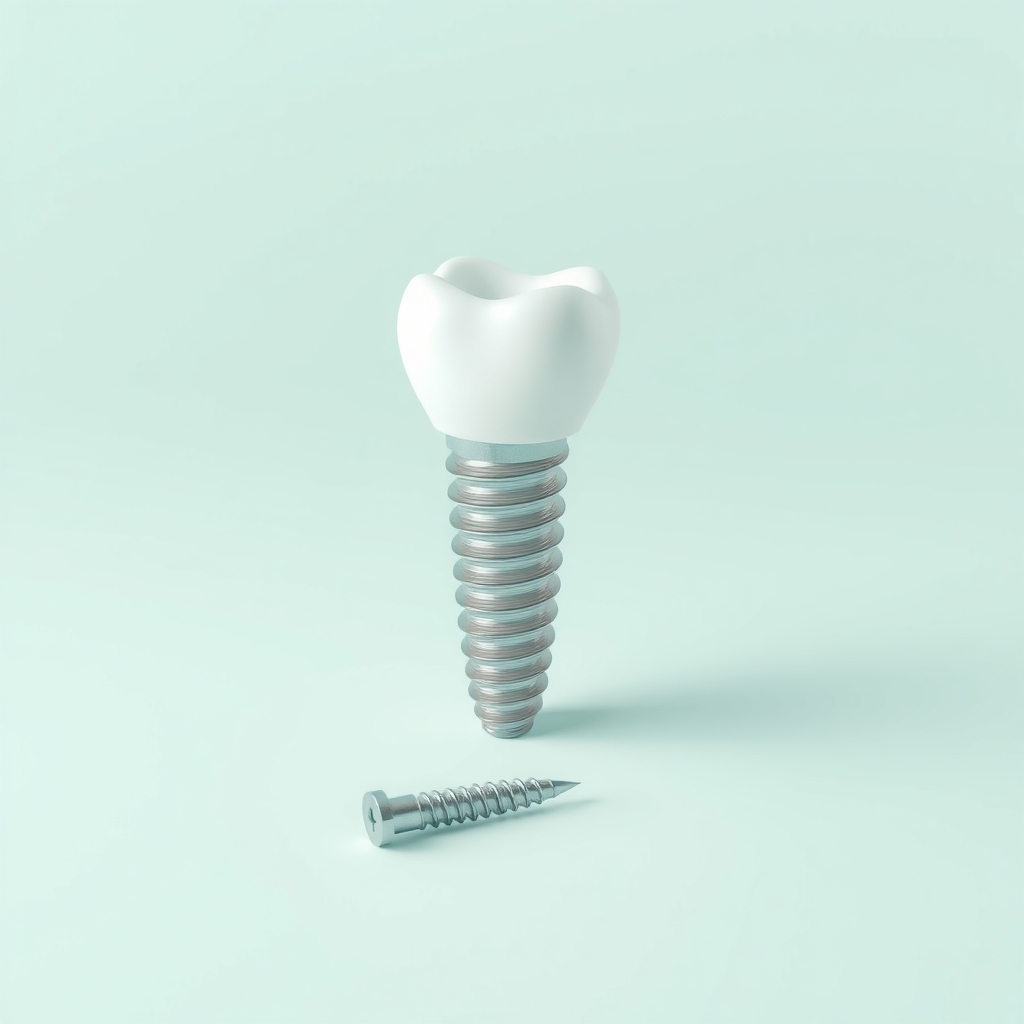
Sometimes the implant itself is perfectly stable, but the small screw connecting the crown to the implant has loosened. This often feels like a wobbly tooth but is usually a simpler fix than implant failure.
Medical and Lifestyle Factors
Smoking, poorly controlled diabetes, osteoporosis medications, and inadequate oral hygiene all raise the risk of complications around implants.
When to Seek Urgent Care
Call your dentist promptly, rather than waiting for your next routine visit, if you notice any of these:
- The implant crown feels loose or shifts when you press on it
- Swelling, pus, or a foul smell develops around the implant
- Pain is worsening rather than settling over a few days
- You notice a visible gap or that the gum has pulled back suddenly
Acting quickly in the early stages of peri-implantitis can often save the implant. Once significant bone loss has occurred, the options become more limited.
Treatment Options for a Failing Implant
| Cause | Typical Treatment Approach |
|---|---|
| Loose abutment screw | Screw is removed, cleaned, and retightened or replaced |
| Early gum inflammation | Professional cleaning around the implant, improved home care |
| Peri-implantitis with bone loss | Deep cleaning of implant surface, possible bone grafting, sometimes minor surgery |
| Implant did not fuse with bone | Implant removal, site healing, re-evaluation for future replacement |
| Fractured implant or crown | Removal and planning for a new implant or restoration |
Your dentist will usually start with a clinical exam and an X-ray or 3D scan to assess how much bone support remains. This determines whether the implant can be saved or needs to be removed and reconsidered later.
Cost Considerations
Treatment cost depends heavily on what is actually wrong, a simple screw tightening is far less involved than bone grafting or implant replacement. In Gurugram, the typical range for implant-related corrective treatment can vary widely based on severity, and your dentist can only give an accurate estimate after examining the implant and reviewing a scan.
Protecting Your Implant Going Forward
Good daily cleaning around the implant with a soft brush and interdental brushes, along with regular dental checkups in Gurugram every six months, go a long way in catching early issues before they become serious. If you grind your teeth, a night guard can also protect your implant from excess force over the years.
Frequently asked questions
Can a loose implant tighten back up on its own?
No. A loose implant will not re-tighten on its own and needs a dentist to find out why, whether it is the crown, the abutment screw, or the implant itself that has loosened. Delaying increases the chance of losing the implant.
Is pain always present when an implant is failing?
Not always. Early bone loss around an implant (peri-implantitis) can be painless, with bleeding gums or mild swelling as the only clue. This is why regular checkups matter even if the implant feels fine.
How soon after implant placement can failure happen?
Early failure usually shows up within the first few months, often linked to poor bone fusion or infection. Late failure can happen years later, usually from gum disease around the implant or excess biting force.
Can a failed implant be replaced with a new one?
In many cases yes, once the infection clears and the bone heals or is rebuilt with a bone graft. Your dentist will assess bone quality through a scan before planning a new implant.
Treatment costs mentioned on this page are indicative ranges for the Gurugram region. Your exact cost depends on your case and will be confirmed after a clinical examination at the clinic.