How to Clean and Maintain Dental Implants for the Long Term
Getting a dental implant is a significant investment in your smile and chewing comfort. Once the implant has healed and your crown is in place, the real work begins: keeping it healthy for years to come. Unlike a natural tooth, an implant cannot get a cavity, but the gum and bone supporting it can still become inflamed or infected if not cared for properly. This condition, called peri-implant disease, is the most common reason implants fail later in life. The good news is that with the right daily habits and regular dental visits, this is largely preventable.
Why Implant Care Is Different From Natural Teeth
A natural tooth has a ligament that helps fight off minor bacterial invasion. An implant does not have this same defense system, which means plaque buildup around it can lead to inflammation more quickly. The tissue around an implant can also be more sensitive to pressure from aggressive brushing or hard foods. This does not mean implants are fragile, but it does mean consistent and gentle cleaning matters even more than with natural teeth.
Daily Hygiene Tools That Make a Difference
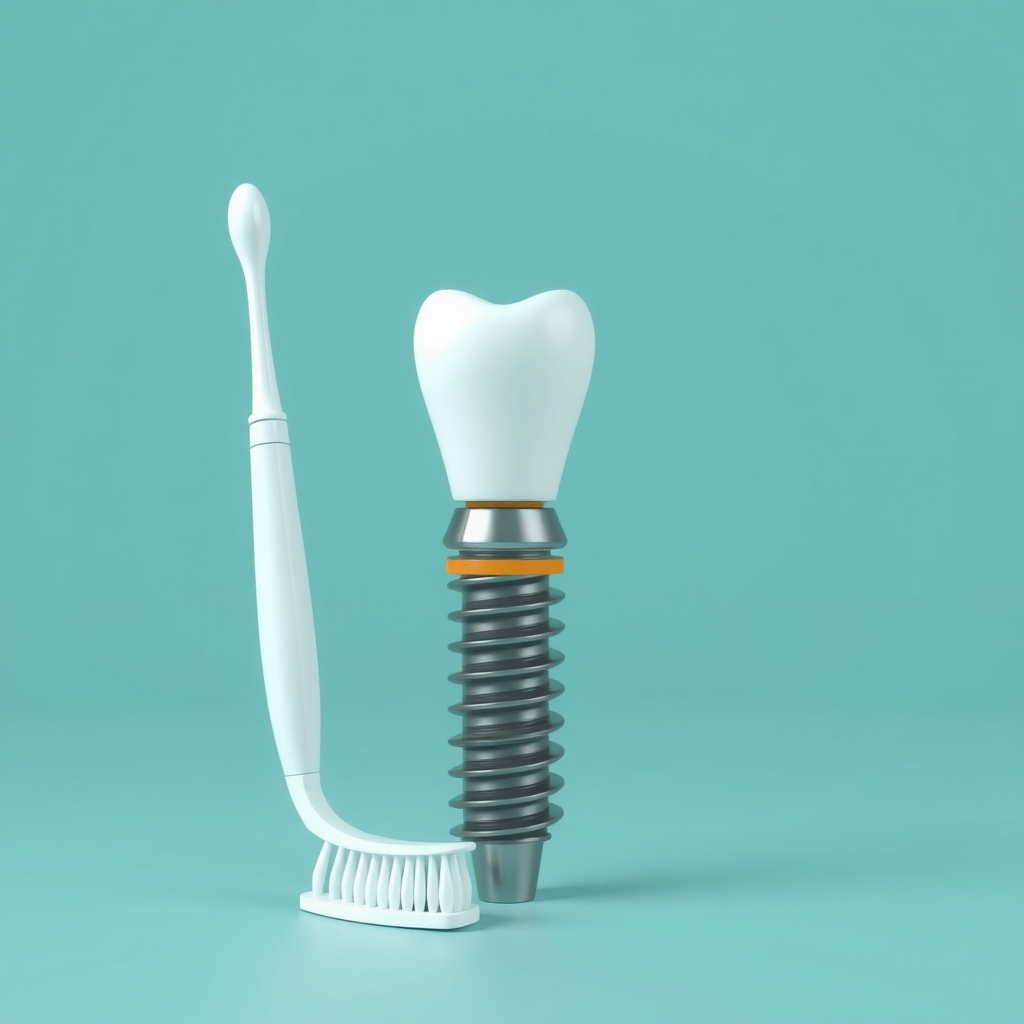
A few simple additions to your routine can protect your implant for the long run.
- Soft-bristled or electric toothbrush: Brush gently twice a day, angling bristles toward the gumline where the crown meets the gum.
- Interdental brushes: These small brushes clean under and around the crown where a regular brush cannot reach.
- Water flosser or oral irrigator: A steady stream of water helps flush out food particles and plaque from hard-to-reach areas around the implant and under bridges, if you have one.
- Unwaxed or implant-specific floss: Specially designed floss with a stiff end can slide under the crown to clean the base without damaging the gum tissue.
- Antimicrobial mouth rinse: Your dentist may recommend a rinse during certain periods to reduce bacterial load, especially if you are prone to gum inflammation.
A Simple Daily Routine
- Brush gently for two minutes, morning and night, covering all surfaces of the implant crown and surrounding gums.
- Use an interdental brush or floss once a day to clean between the implant and neighboring teeth.
- Finish with a water flosser if you have one, focusing on the gumline around the implant.
- Avoid using hard-bristled brushes or scrubbing aggressively, as this can irritate the gum tissue over time.
Foods and Habits to Be Mindful Of
While implants are strong and function much like natural teeth, a few habits can increase strain on the crown or the surrounding gum.
- Avoid biting directly into very hard foods like ice, hard candies, or whole nuts, as this can chip the crown or loosen the restoration over time.
- Be cautious with sticky foods like caramel or toffee, which can pull at the crown margins.
- Limit sugary snacks and drinks, which encourage plaque buildup around the implant base even though the implant itself cannot decay.
- If you grind your teeth at night, mention this to your dentist, as a night guard can protect both the implant and your natural teeth from excess pressure.
- Smoking is one of the biggest risk factors for implant failure, as it reduces blood flow to the gums and slows healing. Cutting back or quitting can meaningfully improve long-term outcomes.
Recommended Checkup Schedule
Routine professional care catches early signs of trouble before they become serious. Most patients in Gurugram benefit from this general schedule, though your dentist may adjust it based on your individual needs.
| Visit Type | Typical Frequency | What Happens |
|---|---|---|
| Routine dental checkup | Every 6 months | Visual exam, bite check, and general oral health review |
| Professional cleaning | Every 6 months | Removal of plaque and tartar around the implant and natural teeth |
| Implant-specific assessment | Once a year | Checking gum depth, implant stability, and crown fit |
| X-ray evaluation | Every 1 to 2 years, or as advised | Monitoring bone levels around the implant |
Warning Signs You Should Not Ignore
Contact your dentist promptly if you notice any of the following near your implant: persistent bleeding or swelling of the gums, a bad taste or odor, visible gum recession exposing the metal base, or any sense of looseness or movement in the crown. Catching these early often means the difference between a simple cleaning and more involved treatment.
Dental implants can serve you well for many years when paired with consistent home care and regular professional monitoring. If you have an implant or are considering one and want personalized guidance on maintenance, the team at Dr. Shrey Suri's clinic in Gurugram is happy to walk you through a care plan suited to your mouth.
Frequently asked questions
How long do dental implants last if cared for properly?
Many implants function well for 15 years or longer, and some last a lifetime. The implant screw itself is very durable, but the crown on top may need replacement after 10 to 15 years due to normal wear. Good daily hygiene and regular checkups are the biggest factors in long-term success.
Can dental implants get cavities?
No, the implant and crown are made of materials like titanium and ceramic that cannot decay. However, the gum and bone around the implant can still develop infection, called peri-implant disease, if plaque is not removed regularly.
Is it normal for an implant to feel slightly different from a natural tooth?
Yes, implants do not have the same nerve sensation as natural teeth, so they may feel slightly different when chewing or with temperature. This is normal and not a sign of a problem unless there is pain, swelling, or looseness.
What is the first sign of a failing implant I should watch for?
Bleeding or swollen gums around the implant, a bad taste or odor near the site, or any looseness when you touch the crown are early warning signs. Visiting your dentist promptly when you notice these can often prevent more serious problems.
Treatment costs mentioned on this page are indicative ranges for the Gurugram region. Your exact cost depends on your case and will be confirmed after a clinical examination at the clinic.