Cracked Tooth Syndrome: How to Recognize It and What to Do Next
If you feel a sharp, sudden pain while biting into food, but your tooth looks completely normal, you may be dealing with cracked tooth syndrome. This condition is tricky because the damage is often invisible to the naked eye and even to standard X-rays. Many patients in Gurugram visit a dentist after weeks of confusing, inconsistent pain before getting a clear answer. This article explains what causes this condition, how it is diagnosed, and what treatment options are generally available.
What Is Cracked Tooth Syndrome?
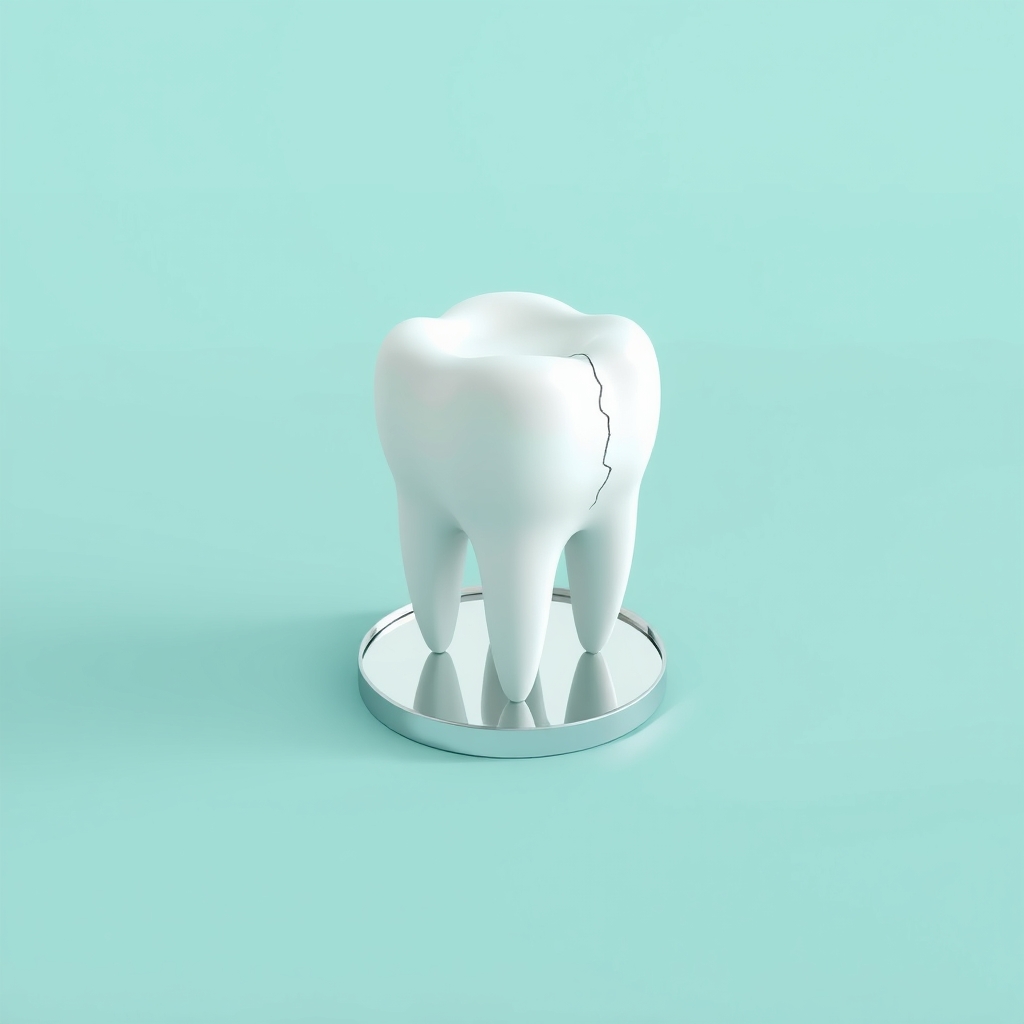
Cracked tooth syndrome happens when a tooth develops a fine crack that does not break the tooth apart but still affects the nerve inside. The crack may be too small to see, yet it is enough to cause pain when pressure is applied in a certain way, such as biting down or releasing a bite.
Common Causes
- Chewing on hard foods like ice, nuts, or seeds
- Grinding or clenching teeth, especially at night
- Large old fillings that weaken the remaining tooth structure
- Age-related wear, as teeth become more brittle over time
- A direct blow or injury to the mouth
Signs You Might Have a Cracked Tooth
The symptoms of cracked tooth syndrome are often described as confusing because they come and go. Common signs include:
- Sharp pain when chewing, especially when releasing the bite
- Sensitivity to cold or sweet foods that fades quickly
- Pain that is hard to pinpoint to one specific tooth
- No visible crack, chip, or decay on the surface
- Discomfort that appears occasionally rather than constantly
Because there is no obvious damage, many patients assume the pain will pass on its own. It is worth getting checked if this type of pain continues for more than a few days.
How Cracked Tooth Syndrome Is Diagnosed
Diagnosis can take a bit of detective work since cracks are often not visible even with magnification. A dentist in Gurugram will usually combine several methods to confirm the cause of pain.
Common Diagnostic Steps
- Patient history: Describing exactly when and how the pain occurs helps narrow down the cause.
- Bite test: Biting on a small stick or tool to see if a specific spot triggers pain.
- Dye staining: A special dye may be applied to the tooth surface to highlight any hidden crack lines.
- Transillumination: Shining a light through the tooth can sometimes reveal a crack that blocks the light's path.
- X-rays: While not always conclusive for cracks, X-rays help rule out decay, infection, or bone-related issues.
- Magnification: Dental loupes or a microscope can help spot fine lines not visible otherwise.
Treatment Options
Treatment depends on the size, location, and depth of the crack. The goal is always to stabilize the tooth before the crack spreads further.
| Crack Severity | Typical Treatment Approach |
|---|---|
| Minor surface crack (craze line) | Monitoring, bite adjustment, or a protective filling |
| Crack affecting one cusp | Dental crown to cover and protect the tooth |
| Crack reaching the nerve (pulp) | Root canal treatment followed by a crown |
| Crack extending into the root | Tooth extraction may be necessary in some cases |
In the early stages, many cracked teeth can be protected with a crown, which holds the tooth together and prevents the crack from worsening. If the crack has already reached the nerve, root canal treatment is usually recommended before placing a crown. Unfortunately, if the crack extends vertically into the root, the tooth may not be savable, and extraction followed by a replacement option like an implant or bridge may be discussed.
Cost Considerations in Gurugram
Treatment cost depends on the stage of the crack and the procedure required. As a general guide, a typical range for a protective filling is modest, while a crown or root canal with crown involves a higher typical range due to the materials and clinical time needed. Your dentist can give you a clearer estimate once the crack is properly diagnosed and its extent is known.
What You Can Do While Waiting for Your Appointment
- Avoid chewing on the affected side
- Stick to softer foods temporarily
- Avoid very hot or cold foods if sensitivity is present
- Do not ignore the pain even if it feels mild or occasional
Cracked tooth syndrome is easier to manage when caught early, so getting a proper diagnosis sooner rather than later gives the tooth the best chance of being saved.
Frequently asked questions
Can an X-ray always detect a cracked tooth?
Not always. Many cracks run along the enamel in a direction that does not show up clearly on standard X-rays. Dentists often rely on symptoms, bite tests, and magnification along with imaging to confirm a crack.
Will the pain go away on its own?
Usually not. Cracks do not heal themselves because tooth structure cannot repair like bone. The pain may come and go, but the crack typically stays the same or slowly worsens without treatment.
Is cracked tooth syndrome an emergency?
It is not usually a same-day emergency unless pain is severe, constant, or accompanied by swelling. However, it is best to get it checked within a few days to prevent the crack from deepening.
Can a cracked tooth be saved?
Many cracked teeth can be saved with a crown or similar restoration if caught early. If the crack extends into the root or pulp, root canal treatment or, in some cases, extraction may be needed.
Treatment costs mentioned on this page are indicative ranges for the Gurugram region. Your exact cost depends on your case and will be confirmed after a clinical examination at the clinic.