Root Canal vs Extraction: How Dentists Help You Decide
When a tooth is badly decayed, infected, or injured, one of the first questions patients ask is simple: can this tooth be saved, or should it be removed? Both root canal treatment and extraction are valid, medically accepted options, but the right choice depends on the tooth's condition, your oral health goals, and practical factors like cost and long term maintenance. This guide breaks down how dentists in Gurugram typically approach this decision so you can have a more informed conversation at your appointment.
Why Dentists Try to Save a Tooth First
Natural teeth are generally the best option for chewing, jaw bone health, and appearance. A root canal treatment removes infected or inflamed tissue from inside the tooth, cleans the canal, and seals it, allowing the outer tooth structure to remain in place. This is often recommended when:
- The tooth has enough healthy structure remaining to support a filling or crown
- The infection is limited to the tooth's nerve and has not badly damaged the surrounding bone
- The tooth plays an important role in chewing or bite alignment
- The patient prefers to avoid the additional cost and time of tooth replacement later
When Extraction Becomes the More Sensible Option
Removing a tooth is sometimes the more conservative and predictable choice, especially if saving it is unlikely to succeed long term. Common reasons include:
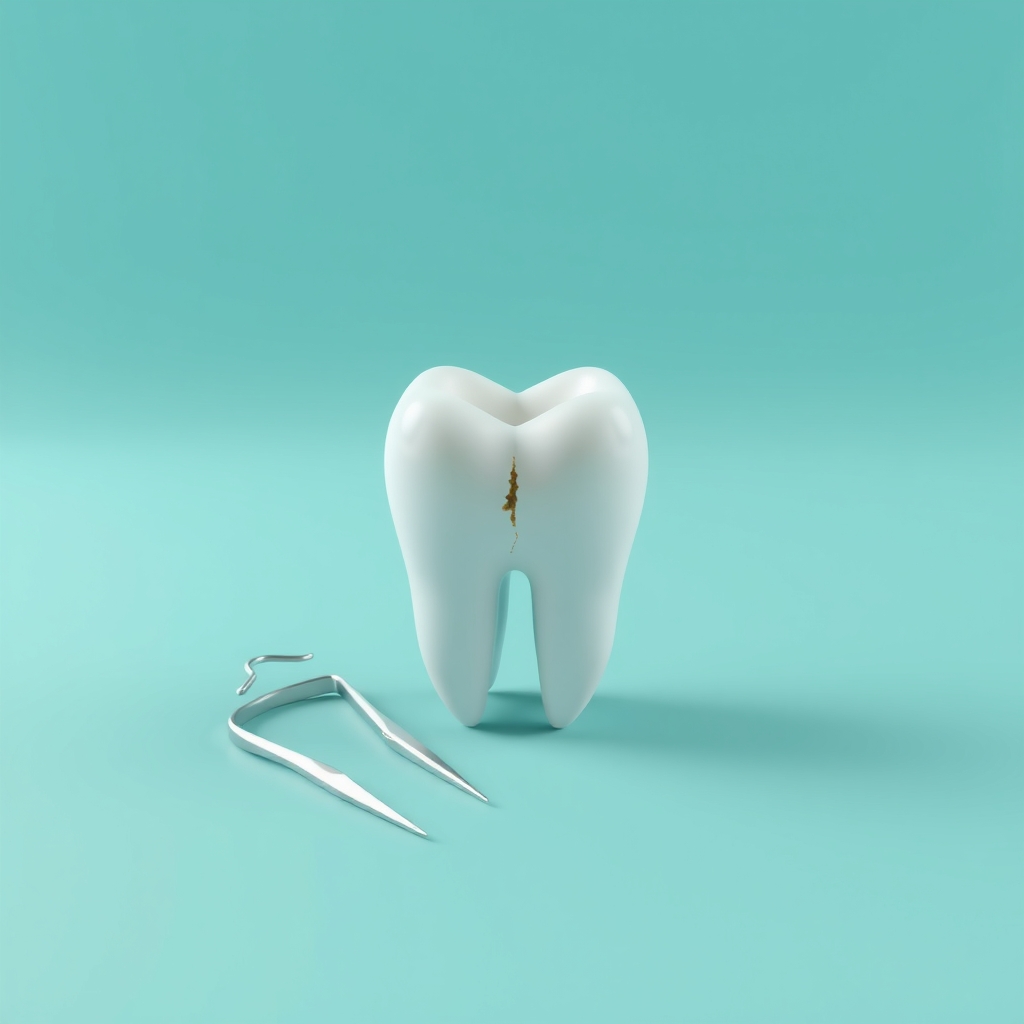
- A vertical crack or fracture that extends below the gum line
- Severe bone loss around the tooth due to advanced gum disease
- Extensive decay that has destroyed most of the tooth structure
- Teeth that are impacted or positioned awkwardly, such as some wisdom teeth
- Repeated infections even after previous root canal treatment
Comparing the Two Options
| Factor | Root Canal Treatment | Extraction |
|---|---|---|
| Goal | Preserve the natural tooth | Remove the problem tooth entirely |
| Typical sittings | 1 to 2 visits, plus a crown visit | Usually completed in a single visit |
| Longevity | Can last many years with a good crown and oral hygiene | Permanent, but leaves a gap needing replacement |
| Impact on nearby teeth | Minimal, bite and spacing stay the same | Neighbouring teeth may shift over time if gap is not filled |
| Cost (typical range) | Root canal plus crown often falls in a moderate to higher range | Lower upfront, but replacement (implant or bridge) adds cost later |
Thinking Beyond Just the Immediate Cost
It is natural to compare the upfront cost of a root canal versus an extraction. However, it helps to think about the full picture. If a tooth is extracted and not replaced, neighbouring teeth can drift, opposing teeth may over erupt, and chewing efficiency on that side can reduce. Many patients who extract a tooth without a replacement plan end up needing an implant or bridge a few years later, which usually costs more in total than treating and crowning the original tooth would have.
That said, root canal treatment is not always the more economical or clinically sound choice. If the tooth's long term prognosis is poor even after treatment, spending on a root canal that may fail within a short period is not ideal either. This is why an honest clinical evaluation, including an X-ray, matters more than assumptions.
Questions Worth Asking Your Dentist
- How much healthy tooth structure remains after the decay or fracture is cleaned out?
- What is the realistic long term success rate for saving this particular tooth?
- If I extract now, what are my replacement options and their approximate costs?
- Will this tooth need a crown after root canal treatment, and what does that involve?
- Is there a risk of reinfection given my gum health or bite pattern?
Making the Decision With Confidence
There is rarely a universal right answer between saving and removing a tooth. Age, overall oral health, budget, how much the tooth is needed for chewing, and how likely the treatment is to succeed all factor into the recommendation. A thorough clinical exam and X-ray at a Gurugram dental clinic can give you clarity specific to your tooth, rather than a generic answer. If you are currently weighing this decision for a painful or damaged tooth, getting a professional opinion sooner rather than later usually keeps more options open and avoids unnecessary complications.
Frequently asked questions
Is root canal treatment painful?
Modern root canal treatment is done under local anaesthesia and feels similar to getting a filling. Most patients report relief from pain, not more of it, since the infected tissue causing the ache is removed.
Can every damaged tooth be saved with a root canal?
No. If the tooth has a vertical fracture, very little healthy structure left, or advanced gum disease around it, extraction may be the safer and more predictable option.
Is it cheaper to just remove the tooth?
Extraction alone usually costs less upfront, but if you replace the tooth later with an implant or bridge, the total cost often ends up higher than a root canal with a crown. Your dentist can help you compare total costs for your case.
What happens if I do nothing and leave the tooth as is?
Untreated infection can spread to the jawbone, surrounding teeth, or even cause a facial abscess. It rarely resolves on its own and often gets more painful and costly to treat over time.
Treatment costs mentioned on this page are indicative ranges for the Gurugram region. Your exact cost depends on your case and will be confirmed after a clinical examination at the clinic.