Osteoporosis, Bone Medications and Your Dental Implant Options
Osteoporosis is a condition where bones become less dense and more fragile over time. Since it affects bone throughout the body, many patients in Gurugram wonder whether it also changes the jawbone, and whether this affects their ability to get dental implants or even simple tooth extractions. This article explains the connection in plain terms so you can have an informed conversation with your dentist.
How Osteoporosis Affects the Jawbone
Osteoporosis reduces bone mineral density throughout the skeleton, including the jaws. Lower jawbone density can mean the bone heals more slowly after dental procedures and may offer less support for natural teeth. Over time, this can contribute to loosening of teeth or a higher risk of bone loss around the gums, especially if gum disease is also present.
It is worth noting that osteoporosis itself does not directly cause tooth loss. Gum disease remains the leading cause of adult tooth loss. However, weaker jawbone density can make existing gum problems progress faster or make recovery after a dental procedure a bit slower.
Bisphosphonates and Other Bone Medications
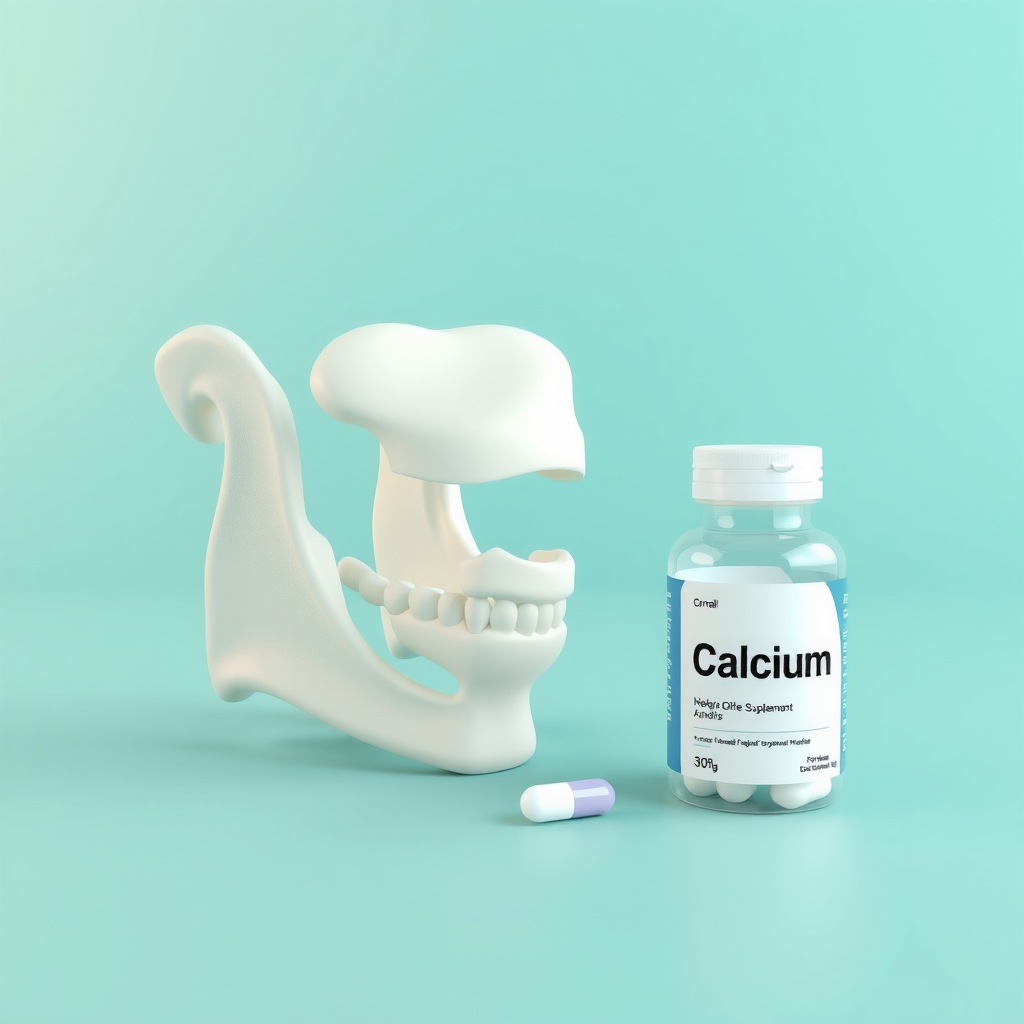
Many patients with osteoporosis take medications to slow bone loss. These include:
- Oral bisphosphonates such as alendronate, taken weekly or monthly as tablets
- Injectable bisphosphonates such as zoledronic acid, given less frequently but at higher strength
- Denosumab, an injectable drug that works differently but carries similar dental considerations
These medications work by slowing down the natural bone turnover process. This is helpful for preventing fractures, but it also means the jawbone may respond differently to healing after an extraction, implant placement, or other oral surgery.
The Main Dental Concern: MRONJ
The condition dentists watch for is called medication-related osteonecrosis of the jaw, or MRONJ. This is a rare situation where an area of jawbone does not heal properly after a dental procedure and becomes exposed or infected. Risk is generally low with oral tablets taken for osteoporosis, and higher with injectable drugs, especially those used for cancer treatment at higher doses. Duration of use, overall health, and whether you smoke also play a role.
Are Dental Implants Still Possible?
Having osteoporosis or taking bone medication does not automatically rule out dental implants. Many patients on oral bisphosphonates for a few years go through implant treatment without complications. The key steps your dental team will usually take include:
- Reviewing how long you have been on the medication and which type
- Checking recent bone density scans and overall health history
- Coordinating with your physician, particularly if you are on injectable therapy
- Planning the simplest possible surgical approach to reduce bone trauma
- Scheduling closer follow-up visits to monitor healing
In some cases, your dentist may suggest a short pause or adjustment in medication timing in consultation with your physician, though this decision is never made lightly and never without medical input.
What This Means Before Extractions Too
The same precautions apply before a tooth extraction. If a tooth needs to be removed, your dentist will usually want to know your full medication history first. Good oral hygiene, treating gum disease early, and avoiding unnecessary extractions can all reduce the chances of needing surgery on already fragile bone.
| Factor | Lower Risk | Needs Closer Evaluation |
|---|---|---|
| Medication type | Oral bisphosphonate tablets | Injectable bisphosphonates or denosumab |
| Duration of use | Under 4 years | Over 4 years, or combined with steroids |
| Reason for medication | Osteoporosis prevention | Cancer-related bone treatment |
| Oral health status | Good gum health, no infection | Active gum disease or infection present |
What You Should Tell Your Dentist
Before any implant consultation or extraction, let your dentist know clearly:
- The exact name of your osteoporosis medication
- Whether it is taken orally or by injection
- How long you have been taking it
- Any other conditions such as diabetes or steroid use
- Your treating physician's contact details, if coordination is needed
This information helps your dental team at a Gurugram clinic plan the safest and most predictable treatment, whether that means proceeding with an implant, choosing a different tooth replacement option, or simply monitoring your oral health more closely over time.
If you have osteoporosis or are on bone-strengthening medication and are considering an implant or need a tooth removed, a thorough dental and medical review beforehand makes a real difference to how smoothly things go.
Frequently asked questions
Can I get dental implants if I have osteoporosis?
Many people with osteoporosis get implants successfully. What matters more is which medication you take, how long you have taken it, and whether it is oral or injectable. Your dentist and physician will assess this together before planning treatment.
Do I need to stop my bisphosphonate medication before implant surgery or extraction?
Do not stop any medication without talking to the doctor who prescribed it. Stopping bone medication on your own can increase fracture risk and may not even reduce dental risk. Decisions about pausing medication are made jointly by your physician and dentist.
What is MRONJ and should I be worried about it?
MRONJ stands for medication-related osteonecrosis of the jaw, a rare condition where jawbone fails to heal properly after dental trauma in patients on certain bone medications. It is uncommon, especially with oral tablets for osteoporosis, but your dental team will take precautions to lower the risk.
Will my dentist need to talk to my doctor before treatment?
Often yes. For patients on bisphosphonates or similar drugs, especially injectable forms, coordinating with the prescribing physician helps plan the safest approach for extractions or implants.
Treatment costs mentioned on this page are indicative ranges for the Gurugram region. Your exact cost depends on your case and will be confirmed after a clinical examination at the clinic.