Types of Mouthwash and Which One Is Right for You
Walk into any pharmacy in Gurugram and you will find a whole shelf of mouthwashes, each promising fresher breath, healthier gums, or whiter teeth. The truth is that not every mouthwash does the same job. Choosing the wrong one for your needs means you might not get the benefit you are actually looking for. This guide breaks down the main types of mouthwash so you can pick the one that matches your oral health goal.
Why Mouthwash Type Matters
Mouthwash is not a replacement for brushing and flossing, but it can be a useful addition when chosen correctly. Some rinses fight bacteria, some strengthen enamel, some simply mask odour, and some rely on plant-based ingredients with milder action. Using the right one for your specific concern gives better results than picking whatever is on sale.
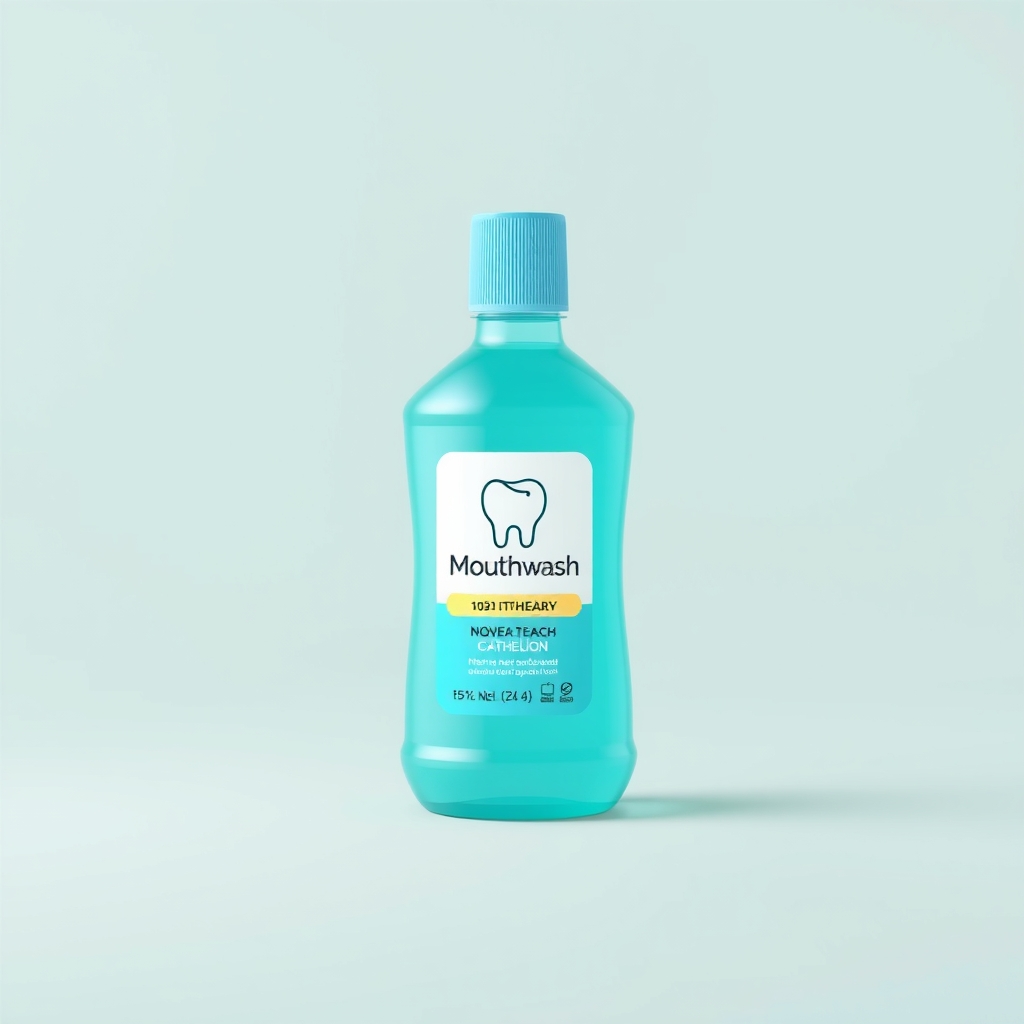
Antiseptic Mouthwash
Antiseptic mouthwashes contain ingredients like chlorhexidine, cetylpyridinium chloride, or essential oils. They are designed to reduce the bacteria that cause gum disease, bad breath, and plaque build-up.
- Best for: gum inflammation (gingivitis), bad breath caused by bacteria, and after certain dental procedures.
- Things to know: chlorhexidine-based rinses are often prescribed for a limited period, since long-term use can stain teeth or affect taste temporarily.
Fluoride Mouthwash
Fluoride mouthwash is aimed at strengthening tooth enamel and lowering the risk of cavities. It works by helping enamel resist acid attacks from food, sugar, and bacteria.
- Best for: people prone to cavities, those with early enamel erosion, or anyone with a high-sugar diet who wants extra protection between dental visits.
- Things to know: it is most effective when used at a different time from brushing, so the fluoride from your toothpaste is not rinsed away immediately.
Cosmetic Mouthwash
Cosmetic mouthwashes are the ones designed mainly for fresh breath. They temporarily mask odour but do not treat the underlying bacterial cause the way antiseptic rinses do.
- Best for: occasional freshening, for example before a meeting or a social event.
- Things to know: if bad breath keeps returning quickly, it usually points to an underlying issue like gum disease, dry mouth, or a coated tongue, which cosmetic mouthwash alone will not fix.
Natural or Herbal Mouthwash
These rinses use ingredients such as clove, neem, tea tree oil, or aloe vera instead of stronger chemical antiseptics. They tend to be gentler and are often alcohol-free.
- Best for: people with sensitive gums, mild dryness, or those who prefer to avoid alcohol and stronger chemical ingredients.
- Things to know: natural mouthwashes are generally milder, so they may not be strong enough for active gum infections or significant plaque control.
Quick Comparison
| Type | Main Purpose | Good For |
|---|---|---|
| Antiseptic | Kills bacteria | Gum disease, bad breath, post-surgery care |
| Fluoride | Strengthens enamel | Cavity prevention, enamel weakness |
| Cosmetic | Masks odour | Occasional fresh breath needs |
| Natural/Herbal | Gentle antibacterial action | Sensitive gums, mild dryness, alcohol-free preference |
How to Choose the Right One
Start by identifying your main concern. If your gums bleed when brushing, an antiseptic rinse may help alongside better brushing technique. If cavities are your worry, fluoride mouthwash makes more sense. If your mouth feels dry or your gums are sensitive, a gentler natural option might suit you better than a strong antiseptic.
It also helps to check whether you need short-term or long-term use. Strong antiseptic rinses are usually meant for a specific period, while fluoride mouthwash can be part of a daily routine long-term.
When to See a Dentist Instead of Relying on Mouthwash
Mouthwash can support your oral hygiene, but it cannot fix an underlying problem on its own. If you notice persistent bad breath, gum bleeding that does not improve, mouth ulcers that last more than two weeks, or ongoing tooth sensitivity, it is worth getting checked rather than depending on rinses alone.
At Dr. Shrey Suri's dental clinic in Gurugram, we can assess your specific oral health concern and recommend whether a particular type of mouthwash would genuinely help, or whether the issue needs proper dental treatment. If you are unsure which mouthwash suits your needs, you can call us at +91 79482 24075 for guidance.
Frequently asked questions
Can I use two types of mouthwash together, like antiseptic and fluoride?
Yes, but use them at different times, not back to back. For example, use fluoride mouthwash after brushing at night and an antiseptic rinse at a separate time of day, so the fluoride is not washed away too soon.
Is alcohol-based mouthwash bad for my mouth?
Alcohol-based rinses can cause dryness and a burning sensation, especially if you already have a dry mouth or mouth ulcers. Alcohol-free versions of antiseptic and cosmetic mouthwashes work just as well for most people.
Can children use mouthwash?
Most mouthwashes are not recommended for children under 6 due to the risk of swallowing. If advised by a dentist for a specific reason, only a child-safe, fluoride mouthwash in a controlled amount should be used.
How long should I use antiseptic mouthwash for gum disease?
Antiseptic mouthwash for active gum disease is usually recommended for 2 to 4 weeks. Long-term daily use of strong antiseptic rinses like chlorhexidine is not advised without your dentist's guidance.
Treatment costs mentioned on this page are indicative ranges for the Gurugram region. Your exact cost depends on your case and will be confirmed after a clinical examination at the clinic.