What Happens When a Missing Tooth Is Left Untreated
A missing tooth often feels like a small problem, especially if it is a back tooth that does not show when you smile. Many patients in Gurugram ask us if they can simply leave the gap as it is. The honest answer is that while nothing dramatic happens overnight, the changes that build up over months and years are worth understanding before you decide.
Your Bite Starts to Shift
Teeth are not fixed in place forever. They are held in position by a constant balance of pressure from neighbouring and opposing teeth. When one tooth is removed and not replaced, that balance is disturbed.
- Teeth next to the gap slowly tilt or drift into the empty space.
- The tooth directly opposite the gap can over erupt, growing slightly longer since there is nothing to bite against.
- Your bite alignment changes gradually, which can affect how comfortably your upper and lower teeth meet.
These shifts are usually slow, so patients rarely notice them until a dentist points them out on examination or they feel food getting stuck in new, unexpected places.
The Jawbone Begins to Shrink
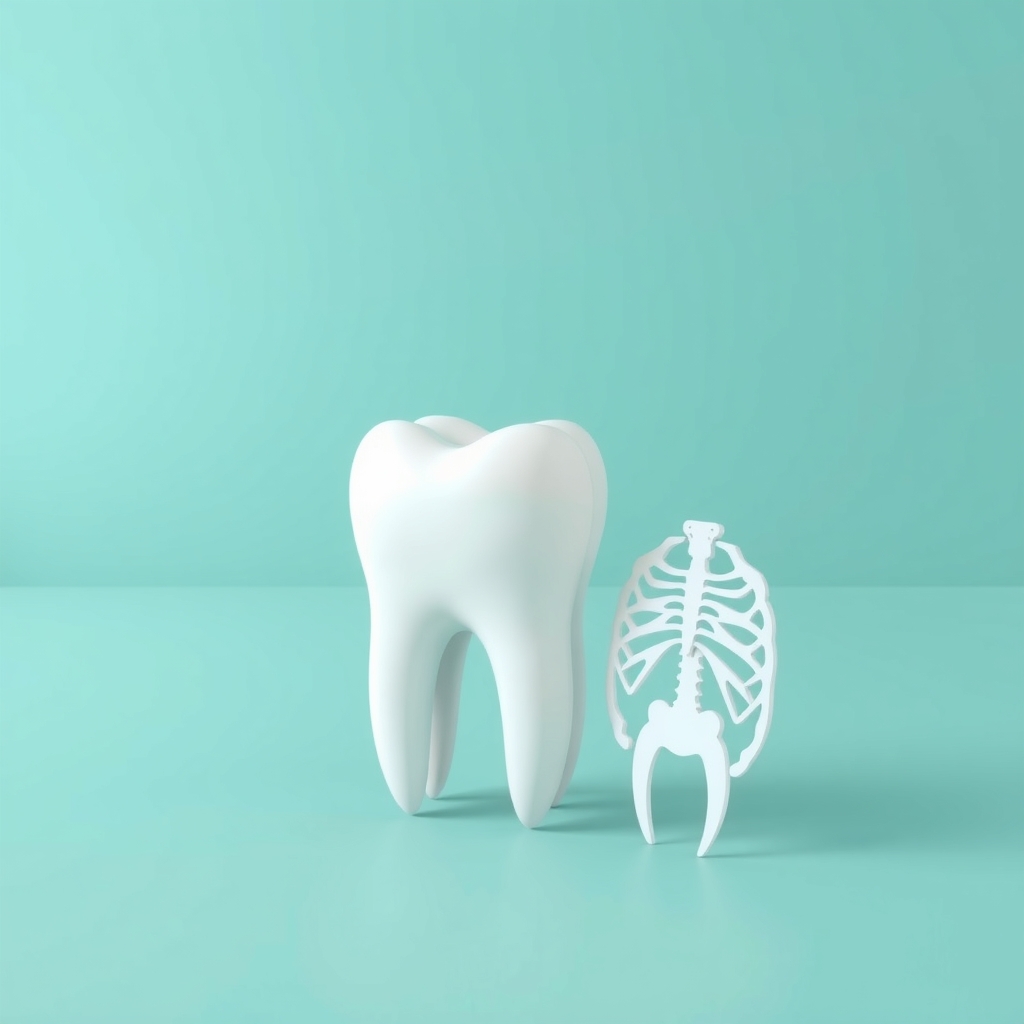
This is the part most people are not aware of. The root of a natural tooth stimulates the jawbone every time you chew, which keeps that section of bone healthy and dense. Once the tooth and root are gone, that stimulation stops.
Without this stimulation, the jawbone in that area begins to resorb, meaning it gradually loses height and width. This process is most noticeable in the first year after tooth loss but can continue slowly for years. Over time it can:
- Change the shape of your face slightly in that area, giving a sunken appearance in severe or multiple-tooth cases.
- Make future tooth replacement, especially with a dental implant, more complex if too much bone is lost.
- Affect the fit and stability of nearby teeth and gum tissue.
Nearby and Opposite Teeth Take on Extra Load
When a tooth is missing, the work of chewing does not disappear, it simply shifts to the remaining teeth. This uneven distribution of chewing force can lead to:
- Faster wear on the teeth now doing extra work.
- Higher chances of cracks, chips, or loosening in teeth that were not designed to bear that much pressure.
- Gum recession or bone loss around the overworked teeth if the imbalance continues for a long time.
Patients sometimes come in with pain or sensitivity in a tooth that seems unrelated, only to find that the real cause is a missing tooth elsewhere that changed their bite pattern months earlier.
Other Changes Patients Often Notice
| Area Affected | Common Change Over Time |
|---|---|
| Speech | Slight changes in pronunciation, especially with front teeth gaps |
| Chewing | Favouring one side of the mouth, leading to uneven jaw muscle use |
| Gums | Food trapping and higher risk of gum disease around the gap |
| Jaw joint | Occasional discomfort from an altered bite pattern |
Why Timing Matters
None of this means you need to panic if you have had a gap for a while. Many patients successfully replace teeth that have been missing for years. However, the longer the gap stays, the more these changes tend to add up, and treatment can sometimes become more involved, particularly if bone grafting is needed before an implant.
Replacing a missing tooth earlier generally means:
- Less shifting of neighbouring teeth to correct.
- Better chances of adequate bone for an implant without additional grafting.
- Lower risk of complications in other teeth from uneven bite forces.
Options for Replacement
Depending on your specific case, options generally include a dental implant, a fixed bridge, or a removable partial denture. Each has different suitability depending on the location of the missing tooth, the condition of your jawbone, and your overall oral health. A clinical examination, often along with an X-ray, helps determine which option fits your situation best.
At our Gurugram clinic, we assess the gap, the condition of your jawbone, and your bite before suggesting any treatment, so you understand exactly why a particular option is recommended for your case.
Cost Considerations
Costs for tooth replacement in Gurugram vary widely based on the method chosen, the materials used, and whether any preparatory procedures like bone grafting are needed. As a general guide, a removable partial denture tends to be the most economical option, a fixed bridge sits in a mid range, and dental implants typically have a higher upfront cost but can offer long-term value. These are typical range estimates only, and an accurate cost can be given after an in-person consultation and examination.
Frequently asked questions
Is it okay to leave a missing back tooth as it is?
It is not advisable, even if it does not show when you smile. Back teeth carry most of your chewing load, and leaving the gap can cause nearby teeth to shift and the opposing tooth to over erupt over time.
How soon should I replace a missing tooth?
There is no single deadline, but most dentists suggest planning replacement within a few months. The sooner it is done, the less bone and tooth movement you typically have to deal with.
Can jawbone loss from a missing tooth be reversed?
Bone that has already resorbed cannot regenerate on its own, though procedures like bone grafting can rebuild some of it before placing an implant. Preventing further loss by acting early is easier than rebuilding it later.
Does a missing tooth really affect teeth on the other side of my mouth?
Yes, indirectly. When you shift your chewing to the opposite side to avoid the gap, it creates uneven wear and extra stress there, which can lead to sensitivity or cracked fillings over time.
Treatment costs mentioned on this page are indicative ranges for the Gurugram region. Your exact cost depends on your case and will be confirmed after a clinical examination at the clinic.