Why Is My Permanent Tooth Loose? Causes and Treatment Options
A wobbly permanent tooth can be alarming. Unlike baby teeth, adult teeth are not supposed to loosen, so noticing movement when you bite or brush is a signal worth paying attention to. The good news is that many loose teeth can be treated and saved if the cause is identified early. This article explains why permanent teeth become loose and what treatment options are usually available.
Common Causes of a Loose Permanent Tooth
Several conditions can weaken the support structures that hold a tooth firmly in the jaw. Understanding the cause helps decide the right treatment.
Gum Disease (Periodontitis)
This is the most common reason adults notice loose teeth. Gum disease starts as inflammation from plaque buildup and, if untreated, progresses to damage the gums, ligaments, and bone that anchor the tooth. As support is lost, the tooth begins to shift or feel loose, especially in later stages.
Trauma or Injury
A fall, sports injury, or accidental blow to the face can loosen a tooth even if it does not fracture. Sometimes the looseness is temporary and improves with rest and care, but in other cases the ligament fibres are torn and need active treatment to heal properly.
Bone Loss
Bone loss around the tooth root can happen due to long-standing gum disease, untreated infections, or in some cases due to conditions affecting bone density elsewhere in the body. Less bone support means less stability for the tooth.
Teeth Grinding (Bruxism)
Constant grinding or clenching, often during sleep, puts excessive force on teeth. Over time this can loosen the ligament fibres, particularly if gum disease is already present.
Infection or Abscess
An untreated dental infection near the root tip can destroy bone and soft tissue locally, leading to looseness along with pain, swelling, or a bad taste.
How the Cause Is Diagnosed
At a dental visit, the dentist will typically check the degree of mobility, examine the gums for bleeding or pockets, and take an X-ray to assess the bone level around the tooth root. This helps confirm whether the cause is gum related, trauma related, or due to an infection, and guides the treatment plan.
Treatment Options to Save a Loose Tooth
Treatment depends on the underlying cause and how much support has already been lost.
- Scaling and root planing: A deep cleaning to remove plaque and tartar below the gumline, often the first step for gum disease related looseness.
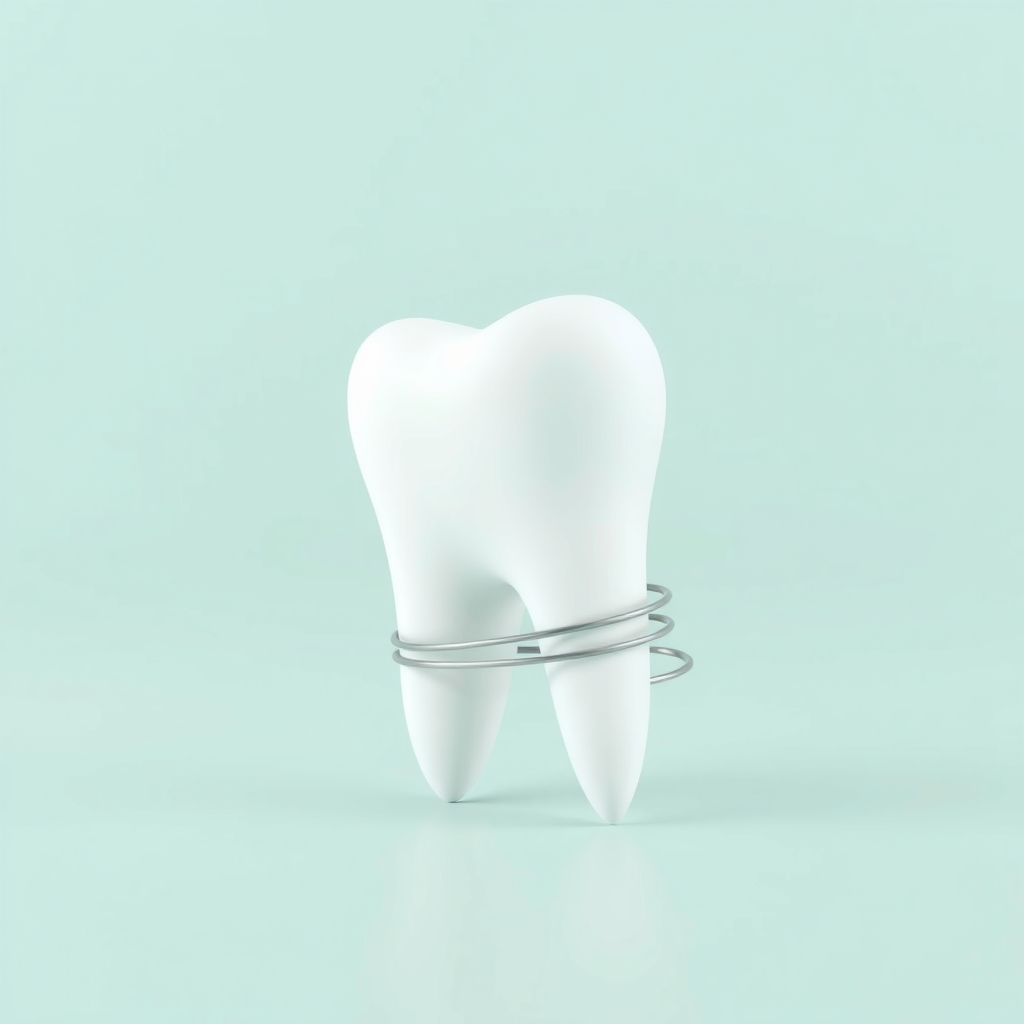
- Splinting: Bonding the loose tooth to neighbouring teeth to stabilise it while the ligament and bone heal, commonly used after trauma or moderate gum disease.
- Gum (periodontal) treatment or surgery: For more advanced gum disease, procedures to clean deeper pockets or regenerate lost bone and tissue may be recommended.
- Root canal treatment: If an infection at the root is contributing to looseness, treating the infection can help stabilise the tooth.
- Bite adjustment or night guard: To reduce excess force on the tooth if grinding is a factor.
- Extraction: Considered only when bone loss is severe and the tooth cannot be reasonably stabilised, sometimes followed by discussion of replacement options.
What You Can Do at Home Meanwhile
- Avoid chewing on the loose tooth or biting hard foods with it.
- Keep the area clean with gentle brushing, avoiding aggressive scrubbing.
- Rinse with warm salt water if there is mild swelling or discomfort.
- Avoid wiggling the tooth with your tongue or fingers.
- See a dentist promptly rather than waiting, since delays can worsen bone loss.
Typical Cost Considerations in Gurugram
Costs vary depending on the cause and treatment needed. As a general guide for Gurugram clinics, a deep cleaning session may fall in a typical range of a few thousand rupees, splinting a loose tooth is usually a modest additional cost, and gum surgery or root canal treatment involves a higher typical range depending on complexity. Your dentist can give a clearer estimate after examination and X-rays.
| Treatment | Purpose |
|---|---|
| Scaling and root planing | Removes plaque and tartar causing gum inflammation |
| Splinting | Stabilises tooth during healing |
| Gum surgery | Treats advanced bone or tissue loss |
| Root canal treatment | Removes infection affecting the root |
When to See a Dentist
Do not ignore a loose permanent tooth, even if it does not hurt. Early evaluation gives the best chance of saving it and avoiding further bone loss. Patients in Gurugram can visit Dr. Shrey Suri's clinic for an assessment and a clear treatment plan tailored to the cause.
Frequently asked questions
Is a slightly loose tooth in adults always serious?
Any mobility in a permanent tooth is worth checking. Minor looseness from a recent injury may settle, but looseness linked to gum disease or bone loss usually needs treatment to prevent further damage.
Can a loose tooth tighten back up on its own?
Sometimes, if the cause is mild inflammation or a minor injury and it is treated early. Once significant bone support is lost, the tooth will not tighten without professional care and ongoing maintenance.
How urgently should I see a dentist for a wobbly tooth?
Try to get it checked within a few days, sooner if there was trauma, swelling, pain, or bleeding. Early evaluation gives the best chance of saving the tooth.
Will I definitely need to have the tooth removed?
Not necessarily. Many loose teeth can be stabilised and kept with treatments like deep cleaning, splinting, or gum surgery. Extraction is usually considered only when the tooth is beyond saving.
Treatment costs mentioned on this page are indicative ranges for the Gurugram region. Your exact cost depends on your case and will be confirmed after a clinical examination at the clinic.