Tooth Knocked Out: What To Do In The First Few Minutes
A tooth getting knocked out completely, known as avulsion, is one of the few dental injuries where every minute counts. With the right first aid in the first few minutes, many adult teeth can be saved through re-implantation. This guide walks you through exactly what to do while you arrange to see a dentist in Gurugram urgently.
Step 1: Stay Calm and Find the Tooth
Pick the tooth up carefully by the crown, which is the white part you normally see when someone smiles. Avoid touching the root, the part that was inside the gum, since root surface cells are fragile and easily damaged by handling.
Step 2: Check and Clean Gently (If Needed)
- If the tooth is visibly dirty, rinse it briefly, for about 10 seconds, under cool running water or saline.
- Do not scrub it, do not use soap, alcohol, or any disinfectant.
- Do not dry it with a tissue or cloth. Keeping the root surface moist is essential.
Step 3: Try to Re-Insert the Tooth Into the Socket
If the person is a conscious adult and able to cooperate, gently push the tooth back into its socket facing the right way, then bite down softly on a clean handkerchief or gauze to hold it in place. This is the single best option because it keeps the tooth in its natural environment on the way to the clinic.
If re-insertion is not possible due to pain, a young child who may swallow it, or uncertainty about the correct orientation, move on to safe storage instead of forcing it.
Step 4: Store It Correctly If It Cannot Go Back In
The storage medium matters as much as speed. Choose one of the following, in order of preference:
| Storage Option | Why It Works |
|---|---|
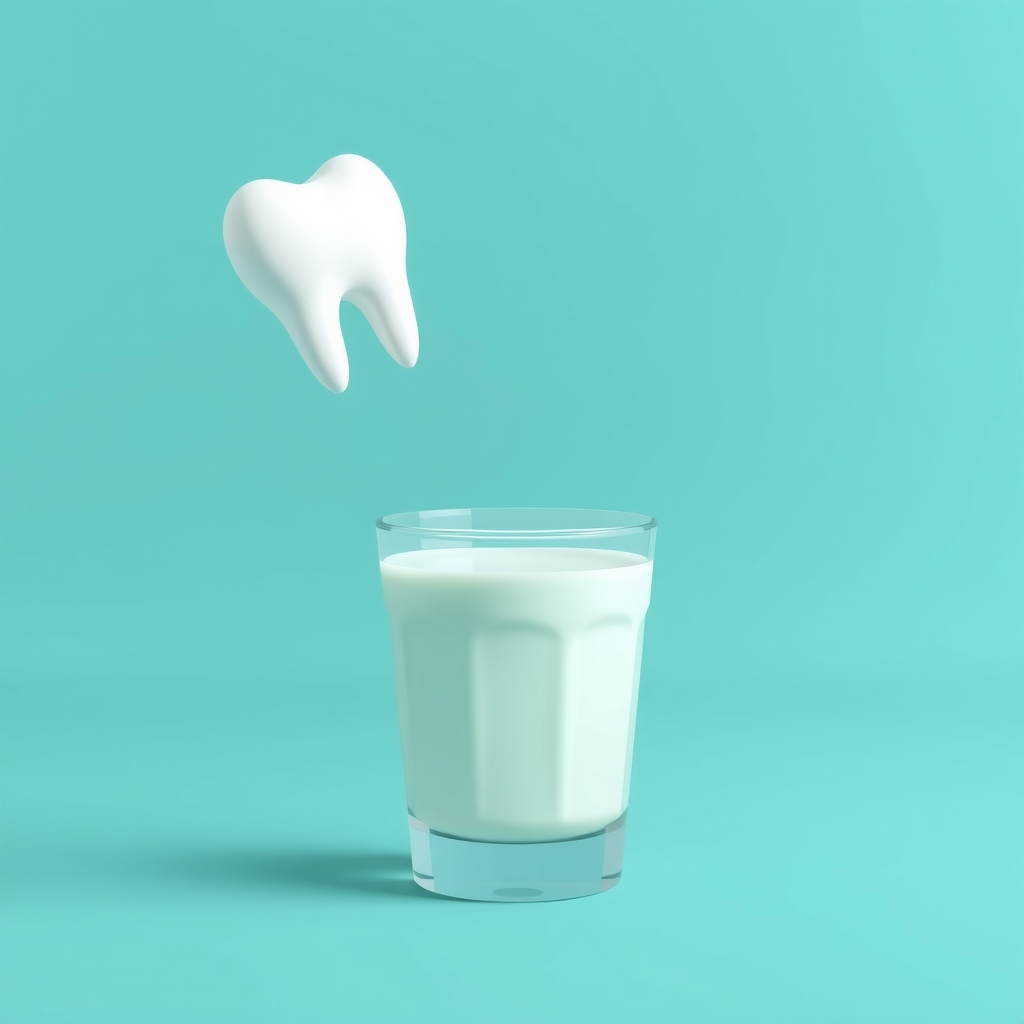
| Milk (cold, if available) | Keeps root cells alive with the right balance of nutrients and pH |
| Saline solution | A safe, cell-friendly backup if milk is not available |
| Saliva (inside the cheek, not swallowed) | Acceptable short-term option for adults who can safely hold it between cheek and gum |
| Tooth preservation kit (if you own one) | Specifically designed to keep root cells viable for several hours |
Avoid storing the tooth in plain tap water or wrapping it in a dry tissue. Water causes the root cells to swell and burst, and drying them out kills them within minutes.
Step 5: Control Bleeding and Protect the Area
Have the person bite down gently on a clean piece of gauze or a damp tea bag placed over the empty socket to control bleeding. Apply a cold compress to the cheek or lip near the area to reduce swelling and ease discomfort.
Step 6: Get to a Dentist Immediately
Time is the most important factor in saving a knocked-out tooth. The chances of successful re-implantation are highest within 30 to 60 minutes of the injury. Call ahead so the clinic can prepare for your arrival. For dental emergencies in Gurugram, call Dr. Shrey Suri's clinic at +91 79482 24075 on your way.
What Not to Do
- Do not scrub or brush the tooth.
- Do not let it dry out, even for a few minutes.
- Do not use hot water, soap, or chemicals on it.
- Do not delay treatment to manage other minor injuries first unless there is a medical emergency.
What Happens at the Dental Clinic
The dentist will examine the socket and surrounding teeth for fractures, clean the area, and attempt re-implantation if the tooth is viable and the timeline allows. A splint is usually placed to hold the tooth steady against neighbouring teeth while the ligament reattaches over the following weeks. A course of antibiotics and a tetanus check may also be recommended depending on how the injury happened. Follow-up visits are important to monitor the tooth's nerve and root health over the following months.
If Re-Implantation Is Not Possible
Sometimes a tooth cannot be saved due to severe damage, a long delay, or because it was a baby tooth. In these cases, the dentist will focus on healing the socket first and discuss replacement options later, such as a dental bridge or implant, once everything has settled.
Frequently asked questions
Can a knocked-out baby tooth be put back in?
No. Baby (milk) teeth are not re-implanted because doing so can damage the permanent tooth developing underneath. Still call your dentist so they can check the socket and surrounding teeth.
What if I cannot find the tooth at all?
Call your dentist anyway. They will examine the socket, control bleeding, and discuss replacement options such as a bridge or implant later once the area has healed.
Is it okay to clean the tooth with soap or disinfectant?
No. Use only saline or milk, or rinse very briefly under cool running water if nothing else is available. Soap, alcohol, or disinfectants damage the root surface cells needed for re-implantation.
How long can a tooth survive outside the mouth?
The best results come within 30 to 60 minutes. Survival drops sharply after 1 hour outside the body, which is why storing it correctly and reaching a dentist fast both matter.
Treatment costs mentioned on this page are indicative ranges for the Gurugram region. Your exact cost depends on your case and will be confirmed after a clinical examination at the clinic.