Impacted Canine Teeth: Why They Happen and How They Are Treated
Canine teeth, the pointed ones just below the eyes, play a big role in guiding your bite and keeping your smile looking balanced. Most of the time they erupt without trouble. But sometimes a canine gets stuck under the gum or bone and never comes in properly on its own. This is called an impacted canine, and it is one of the more common dental development issues we see in young patients and occasionally in adults in Gurugram.
Why Canine Teeth Become Impacted
The upper canine has one of the longest and most complicated journeys of any tooth, travelling from high up near the cheekbone down into the dental arch. This long path gives it many chances to go off course. Common reasons include:
- Lack of space: A crowded jaw leaves no clear path for the canine to erupt.
- Baby tooth retention: If the baby canine does not fall out on time, it can block the permanent tooth.
- Abnormal tooth position: The developing tooth bud may be angled incorrectly from the start.
- Extra or missing teeth: Supernumerary (extra) teeth or missing lateral incisors can disrupt the eruption path.
- Cysts or growths: Rarely, a cyst around the tooth can block its movement.
- Genetics: A family history of impacted canines slightly raises the chances.
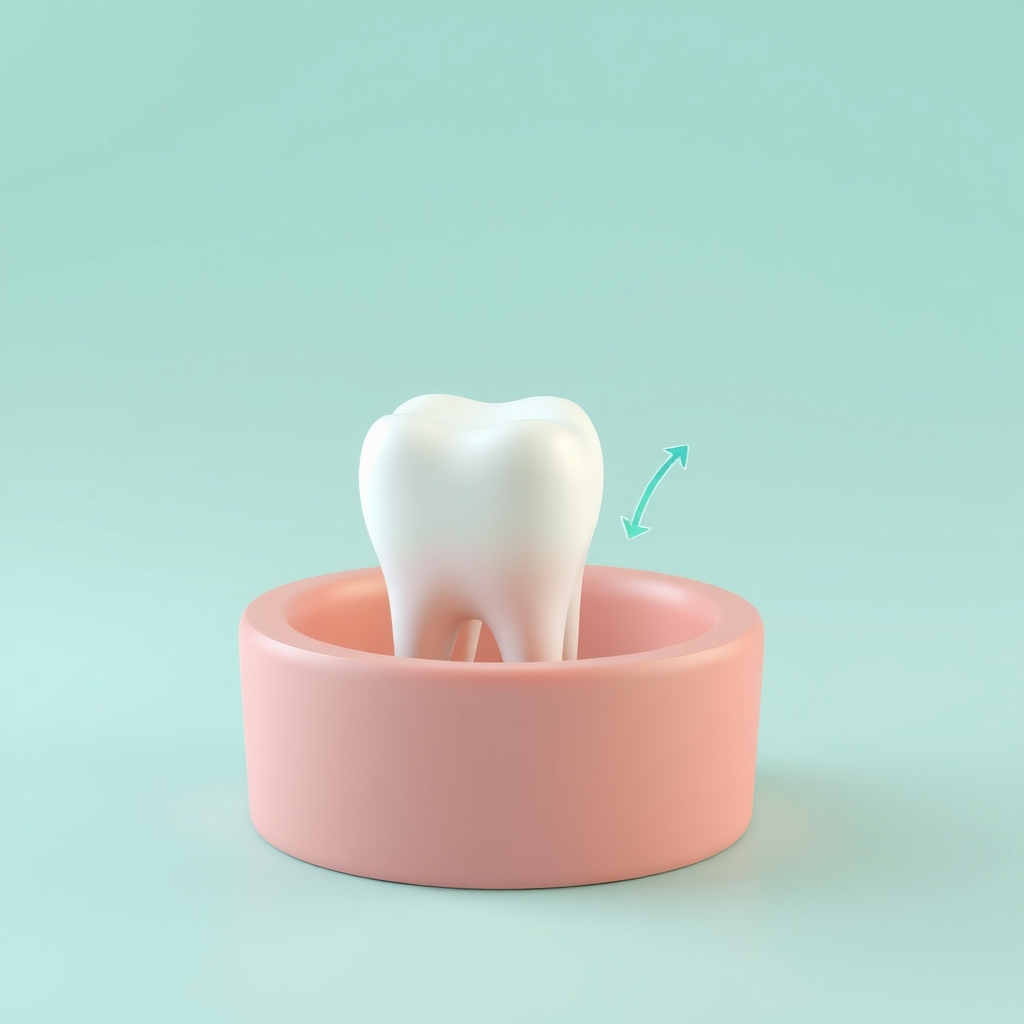
Impacted canines are more common in the upper jaw than the lower, and they are often noticed when a child's canine is late to appear or when the baby tooth is still present well past the usual age.
How It Is Diagnosed
Diagnosis usually starts with a simple observation: a canine that has not erupted by around 13 to 14 years of age, or a visible bulge in the gum where the tooth seems stuck. From there, your dentist will typically:
- Feel along the gum ridge to check if the tooth can be detected under the surface.
- Take an X-ray, often a panoramic or OPG image, to see the tooth's position relative to other roots.
- Recommend a CBCT scan (a 3D X-ray) in more complex cases, to pinpoint the exact depth, angle, and proximity to nearby tooth roots or nerves.
Early diagnosis, ideally around age 10 to 11, gives the best chance of guiding the tooth into place with simple interceptive measures before it becomes deeply impacted.
Treatment Options
Treatment depends on the canine's position, the patient's age, and how much space is available. Options generally fall into three categories.
1. Monitoring
If the canine is only mildly delayed and there are early signs it may still erupt on its own, your dentist may suggest watching it with periodic X-rays over several months. Sometimes removing the overlying baby tooth is enough to let the permanent canine find its own way.
2. Space Creation and Guided Eruption
If crowding is the main issue, braces or an orthodontic appliance may be used first to create room in the arch. In some younger patients, this alone allows the impacted canine to erupt naturally once space is available.
3. Surgical Exposure with Orthodontic Guidance
For canines that are more deeply impacted or angled awkwardly, a minor surgical procedure is often needed. The gum tissue over the tooth is opened, and the tooth is exposed. A small bracket is then bonded to the tooth, attached to a gold chain or wire. This is connected to braces, which gently pull the tooth into its correct position over time. This combined surgical and orthodontic approach is the most reliable way to bring a deeply impacted canine into proper alignment while preserving the tooth.
In rare cases where the tooth is severely malpositioned, fused to bone, or causing damage to neighbouring roots, extraction followed by an implant or orthodontic space closure may be considered instead.
| Situation | Likely Approach |
|---|---|
| Mild delay, early detection | Monitoring, possible baby tooth removal |
| Crowding with reasonable tooth angle | Orthodontic space creation |
| Deep or angled impaction | Surgical exposure with orthodontic guidance |
| Severe impaction or root damage | Extraction with implant or space closure |
Why Timely Evaluation Matters
Left unchecked for too long, an impacted canine can press against and resorb the roots of neighbouring teeth, or occasionally form a cyst around the crown. Treating it earlier generally means simpler, shorter treatment and a better outcome for the surrounding teeth. If you notice a missing or delayed canine, in your child or in yourself, it is worth getting an X-ray evaluation sooner rather than later.
Costs for X-rays, CBCT scans, surgical exposure, and orthodontic guidance vary widely based on complexity. As a general guide, the typical range for the full combined treatment in Gurugram can run into several thousand rupees for diagnostics alone, with surgical and orthodontic phases priced separately after a proper evaluation. Your dentist can give you a clearer estimate once the scans are reviewed.
Frequently asked questions
At what age should I worry if a canine tooth has not come in?
Canines usually erupt between ages 11 and 13. If your child is 13 or older and the canine has not appeared, or if one side looks very different from the other, it is time to get an X-ray and have it checked.
Can an impacted canine be left untreated?
Sometimes, if it is not causing damage and the bite is stable, a dentist may simply monitor it. But untreated impacted canines can occasionally damage neighbouring roots or form cysts, so periodic review is important even if no active treatment is chosen.
Is surgery for an impacted canine painful?
The exposure procedure is done under local anaesthesia and is generally no more uncomfortable than a routine extraction. Mild soreness and swelling for a few days afterward is normal and manageable with prescribed medication.
How long does orthodontic treatment take after surgical exposure?
It varies by case, but guiding an impacted canine into its correct position with braces typically takes anywhere from several months to around two years, depending on how far the tooth needs to travel.
Treatment costs mentioned on this page are indicative ranges for the Gurugram region. Your exact cost depends on your case and will be confirmed after a clinical examination at the clinic.