Bone Grafting Before Dental Implants: What Patients in Gurugram Should Know
If you have been told that you need a bone graft before getting a dental implant, you are not alone. Many patients in Gurugram hear this for the first time during their implant consultation and naturally have questions. This article explains why bone grafting is sometimes necessary, the different types used, how the procedure works, and what it typically costs.
Why Is Bone Grafting Sometimes Needed Before Implants?
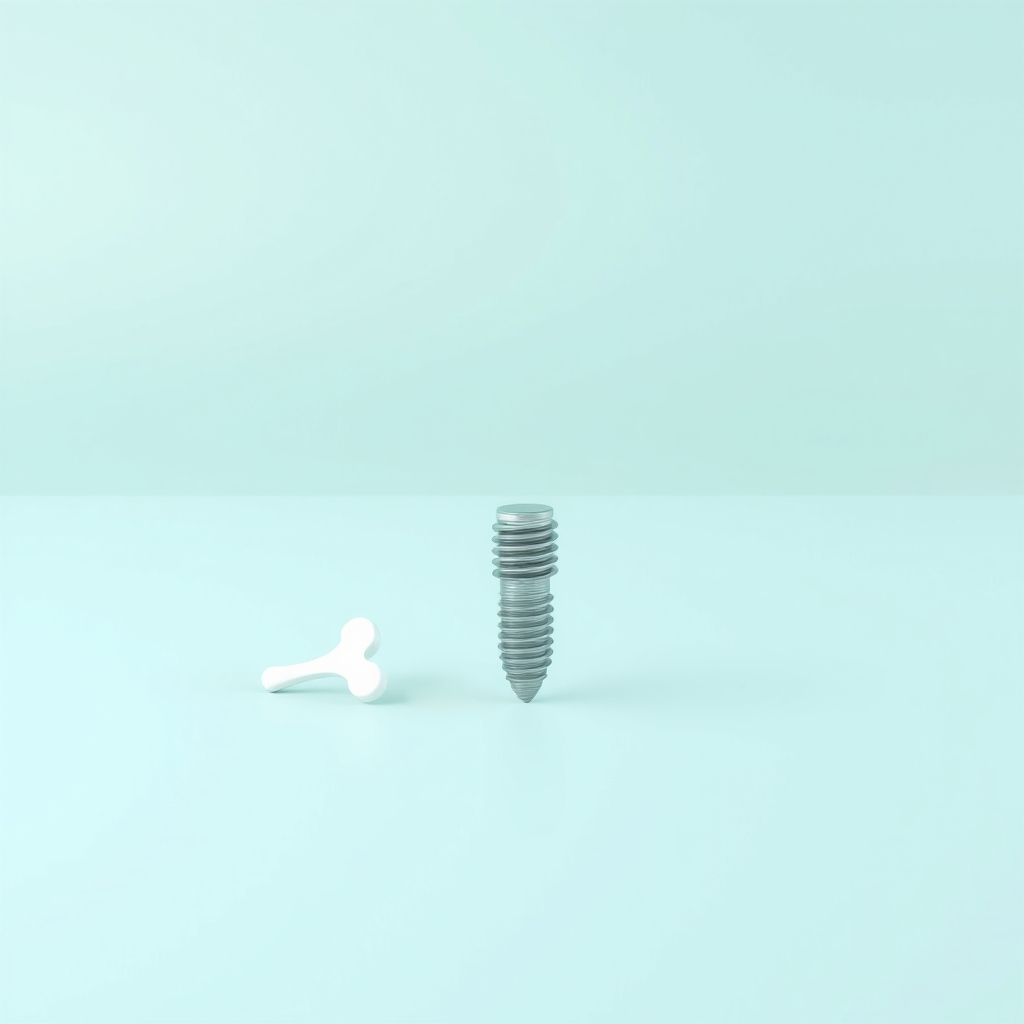
A dental implant is essentially a titanium root that is placed into the jawbone. For it to stay firm and function well for years, it needs a certain amount of healthy bone around it, both in height and width. Bone loss in the jaw is common and can happen due to:
- Missing a tooth for a long time without replacement, which causes the bone to shrink gradually
- Gum disease that has damaged the bone supporting the teeth
- An old extraction where the bone was not preserved
- Trauma or injury to the jaw
- Sinus proximity in the upper back jaw, which limits available bone height
When there is not enough bone, placing an implant directly can lead to instability or early failure. A bone graft rebuilds this lost volume so the implant has a solid, lasting foundation.
Types of Bone Grafts Used in Implant Dentistry
There are several graft materials used depending on the amount of bone loss and the location in the mouth. Your dentist will recommend one based on your scan and clinical needs.
Autograft (Your Own Bone)
Bone is taken from another part of your own jaw or body and used at the implant site. This has a high success rate since it is your own living tissue, though it does involve a second site for bone collection.
Allograft (Donor Bone)
This uses processed human bone from a tissue bank. It is safe, well tested, and commonly used because it avoids the need for a second surgical site.
Xenograft (Animal-Derived Bone)
Typically sourced from bovine bone, this material is processed to be biocompatible and acts as a scaffold that your own bone gradually grows into and replaces.
Synthetic Bone Graft
Made from materials like calcium phosphate, this is a lab-created option that encourages natural bone growth without using donor or animal tissue.
Common Types of Grafting Procedures
- Socket preservation: Done right after a tooth extraction to prevent the bone from shrinking before an implant is planned.
- Ridge augmentation: Rebuilds width or height of the jawbone when it has already narrowed or flattened.
- Sinus lift: Adds bone beneath the sinus in the upper jaw, needed when the sinus sits too close to where the implant must go.
Procedure Steps
- Examination and scan: A CBCT scan measures the exact bone volume available.
- Local anaesthesia: The area is numbed to keep the procedure comfortable.
- Placing the graft material: The chosen graft is positioned at the site, sometimes with a protective membrane over it.
- Closing the site: Stitches are placed to protect the area while it heals.
- Healing period: This can range from three to nine months depending on the graft size, during which new bone forms and matures.
- Implant placement: Once there is enough healthy bone, the implant is placed in a separate visit, or sometimes at the same time for minor grafts.
Cost of Bone Grafting in Gurugram
Costs depend on the graft material used, the size of the area being treated, and whether a sinus lift or ridge augmentation is involved. As a typical range for patients in Gurugram, bone grafting procedures may cost anywhere from a few thousand rupees for a small socket preservation to a significantly higher amount for extensive ridge augmentation or sinus lift procedures. Your dentist can give you an accurate estimate only after reviewing your scan, since every case is different.
| Procedure Type | Typical Range (INR) |
|---|---|
| Socket preservation | Typical range: lower end of grafting costs |
| Ridge augmentation | Typical range: mid to higher cost depending on size |
| Sinus lift | Typical range: higher end due to complexity |
At Dr. Shrey Suri's clinic in Gurugram, every grafting plan is based on a detailed scan and an honest discussion about what your jaw actually needs, so you understand both the clinical reasoning and the cost involved before moving forward.
Frequently asked questions
How do I know if I need a bone graft before an implant?
Your dentist will check this using a clinical exam and a 3D scan (CBCT) that measures the height and width of bone at the implant site. If the bone is too thin, short, or soft, a graft is usually recommended before or during implant placement.
Is bone grafting painful?
Most patients feel mild to moderate discomfort for a few days, similar to a tooth extraction. Local anaesthesia is used during the procedure, and pain medication is prescribed for recovery.
Can I get an implant and bone graft done on the same day?
In some cases, yes. If the bone loss is minor, grafting and implant placement can be combined in one visit. For larger grafts, healing time of a few months is usually needed before the implant can be placed safely.
What happens if I skip the bone graft my dentist suggested?
Placing an implant without adequate bone can lead to poor stability, implant failure, or an unnatural-looking result. If your dentist has recommended grafting, it is generally because the implant's long-term success depends on it.
Treatment costs mentioned on this page are indicative ranges for the Gurugram region. Your exact cost depends on your case and will be confirmed after a clinical examination at the clinic.